
AI Content Generation: 30 Days in 1 Hour
Social media succeeds through consistency, but many excavators avoid it because daily posting feels like another full-time job. They are busy operating equipment, managing crews,
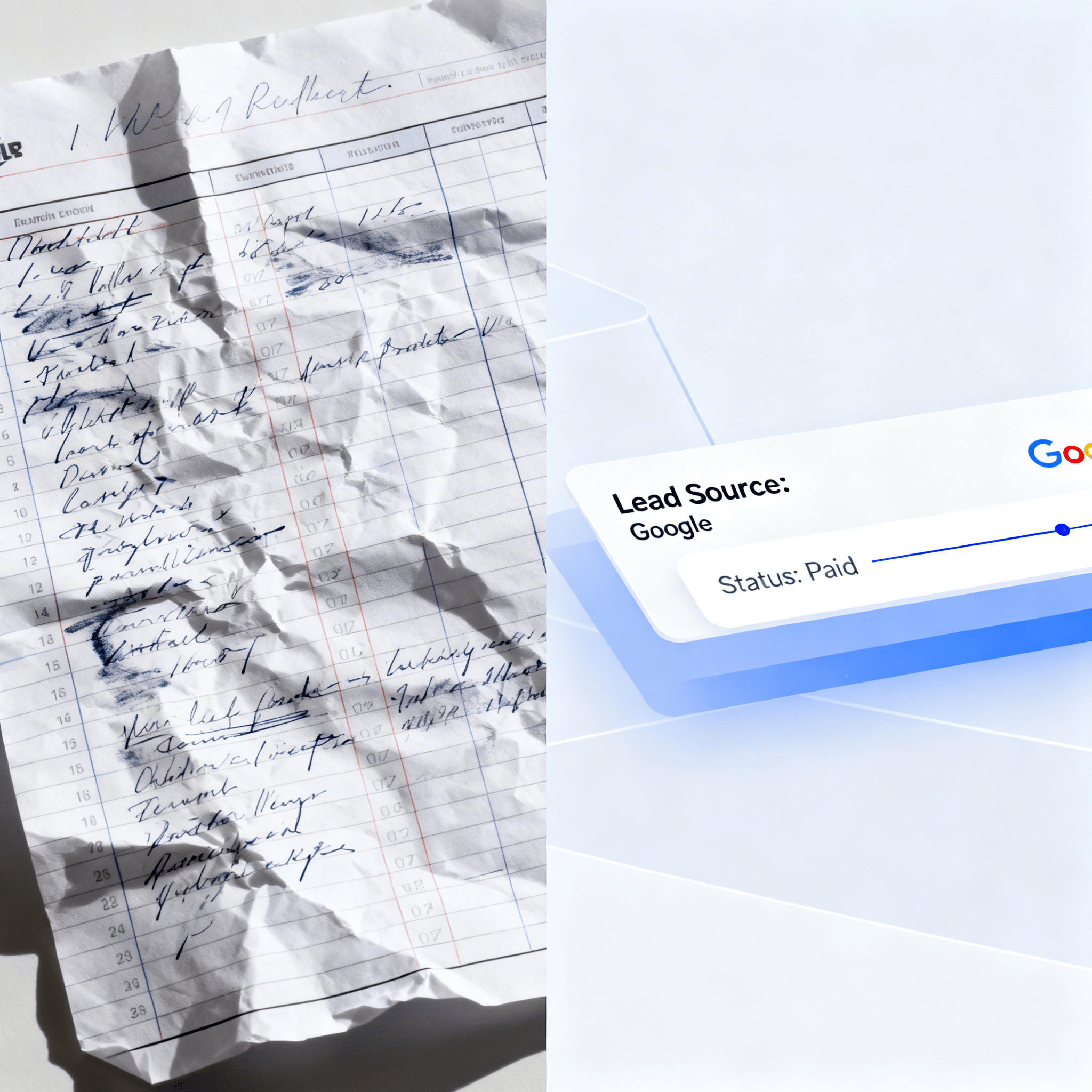
Most excavation companies understand where their leads originate. However, few know which leads actually generate revenue. When a call is received, a job is scheduled, and an invoice is paid, the connection often gets lost in between. This missing link makes confident growth difficult.
This article discusses how using CRM for excavating companies and AI-driven systems can track leads from the initial interaction to the final payment, allowing you to see the true return on investment.
Many contractors rely on intuition for growth. They trust Facebook marketing, assume referrals are the most effective, and view ads as unpredictable. Without tracking, these beliefs remain unverified. You can’t scale effectively without measuring your results.
A CRM is more than just a contact list. An AI-powered CRM integrates data throughout the entire sales process.
It tracks:
AI assists with automatic organization, eliminating guesswork.
Modern CRMs track the first interaction.
That could be:
AI tags each lead with its source, revealing which channels actually generate work, not just traffic.
Many excavation leads come through phone calls. Without call tracking, these leads often get lost. AI CRMs assign unique tracking numbers to track them effectively.
When someone calls, the system logs:
Now phone calls become data.
Once a lead enters the CRM, all activities are recorded. Notes, site visits, quotes, and follow-ups are linked to the same record. AI can also remind you to follow up. Nothing slips through the cracks.
Most systems only handle quotes. AI CRMs go beyond by connecting quotes to invoices.
Now you can see:
This is where ROI becomes clear.
AI does more than just store data; it detects patterns.
It may show that:
These insights guide smarter decisions.
Using CRM for excavating companies helps safeguard margins by highlighting what strategies are worth repeating.
Most contractors shy away from tracking because they find it complex. AI makes it easier. Dashboards take the place of spreadsheets. Clear, concrete numbers replace guesses, and you can see the results instantly.
With data, marketing becomes intentional.
You stop asking:
“Should we run ads?”
You start asking:
“Which ads produce invoices?”
That shift saves money.
Tracking fosters accountability. Logging leads ensures follow-ups occur. Follow-ups lead to higher close rates. AI helps maintain consistency, which in turn fuels growth.
Avoid these problems.
A CRM only works when used fully.
You do not need every feature on day one.
Start with:
Lead source tracking
Call logging
Quote tracking
Add more details later; simplicity encourages more users to adopt it.
Results appear quickly.
Within a few weeks, patterns emerge.
Within a few months, decisions improve.
The sooner you track, the sooner you learn.
That makes growth safer.
Using CRM for excavating companies is now essential. AI-driven tracking reveals exactly what leads to successful conversions, from initial click to final invoice. When ROI becomes transparent, trust replaces uncertainty. Advanced technology does not replace industry experience; it validates it.

Most excavation companies understand where their leads originate. However, few know which leads actually generate revenue. When a call is received, a job is scheduled,

Mobilization fees often cause confusion in excavation pricing. Customers notice an unexpected line item and may assume it’s additional profit, creating tension before work begins.

Every contractor encounters it. “I received a lower quote.” For many, that statement ends the discussion. They either lower their price, defend their value, or

Many excavation jobs are lost before price is even considered. The issue isn’t always the quote itself, but how it’s presented. A brief text message

Root raking is frequently misunderstood. Many landowners view it as extra effort, consider it optional, or confuse it with basic debris removal. This misunderstanding makes

Most contractors view Facebook as just a billboard, posting ads with a phone number and hoping for calls. However, this approach seldom succeeds in local

TikTok isn’t just about trends and dances. It’s also a powerful platform for showcasing real work, especially heavy equipment. Excavators, for example, shift dirt quickly,

Your work may be clean, but your photos often aren’t. Dust, shadows, cluttered backgrounds, overcast skies, and inconsistent lighting can spoil an otherwise excellent “after”

Social media succeeds through consistency, but many excavators avoid it because daily posting feels like another full-time job. They are busy operating equipment, managing crews,