Selling the “Front-End” Loss: Thinking Long-Term Profit
Most contractors price every job the same way, using a simple cost plus margin formula, and if the margin is not there, they walk away.
Most contractors believe marketing is primarily about generating leads. In contrast, authority relates to being memorable.
When people trust you before they need you, selling becomes easier, pricing resistance drops, and referrals happen without asking. One of the fastest ways to build that kind of trust locally is not online at all.
It is physical presence.
Big iron marketing is the strategy of using your equipment and sponsorships at local events to build “local hero” status. When done right, your machines stop being tools and start becoming symbols of reliability, capability, and community commitment.
This article explains how local community sponsorship works for contractors and how showcasing equipment at fairs, games, and town events builds authority that outlasts ads.
Awareness lets people know you exist. Authority encourages them to choose you.
Most local markets are crowded with contractors who are “known.” Very few are trusted. Authority is built when people see you as part of the community, not just someone who works in it.
Event sponsorship accelerates that process by placing your business in moments people care about. Family time. Community pride. Local tradition.
Those associations matter more than logos.
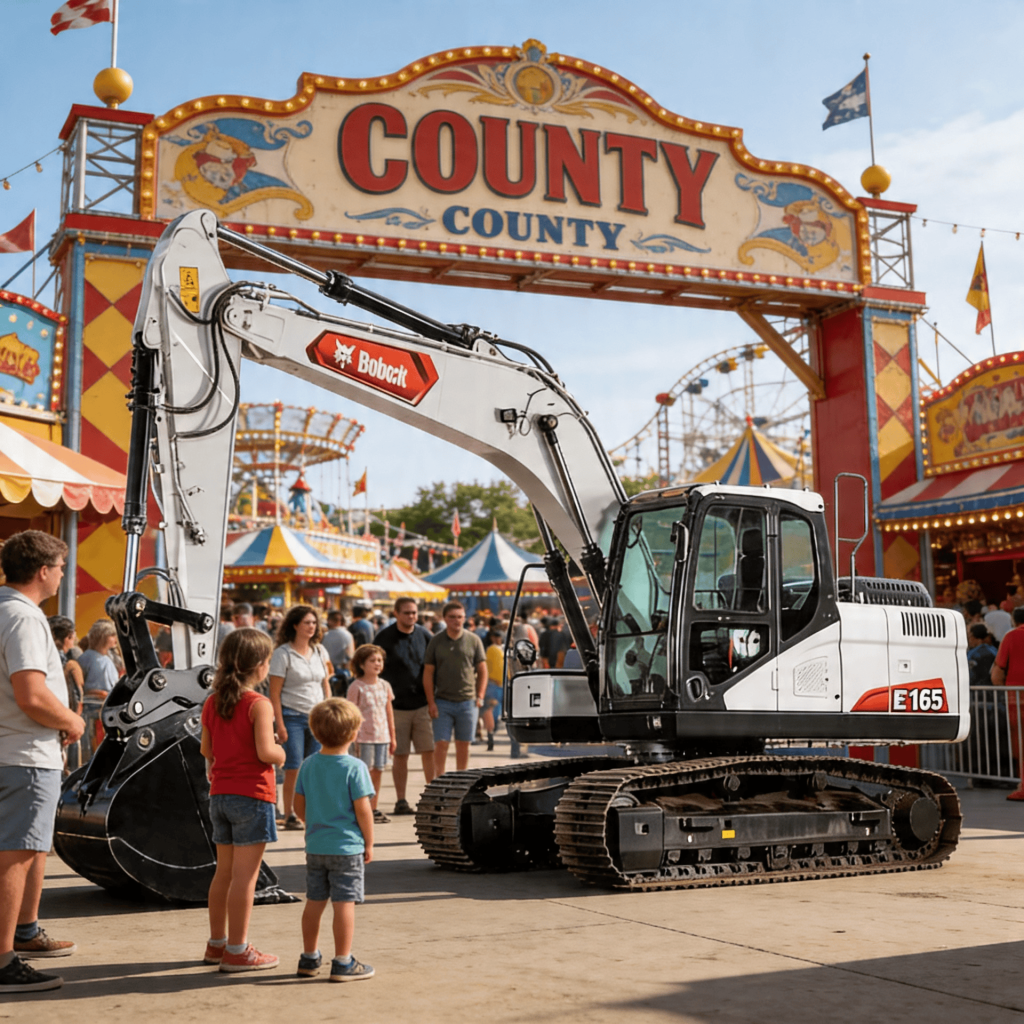
Big iron marketing isn’t just about advertising equipment; it’s about establishing presence. When your excavator, dozer, or skid steer appears at a county fair, school fundraiser, or local game, it silently conveys a message.
It demonstrates scale, showcases capability, and signals permanence. People don’t just see a machine; they see who is responsible for the big work in the area. This perception builds authority.
Heavy equipment naturally commands attention with its weight, noise, and imposing presence. Humans are instinctively wired to respect scale and power, so when people, especially children and families, see large machinery up close, it evokes a sense of awe. This emotional reaction positively influences how they perceive your brand.
Your business becomes associated with:
No brochure can create that feeling.
Local events are trust environments.
People assume that businesses involved in community events are vetted, stable, and invested. Sponsorship acts as social proof without explanation.
If you sponsor:
You gain trust from the event itself. That trust grows stronger over time.
Most contractors attempt to justify their value. However, event sponsorship allows people to form their own opinions. They observe your name multiple times, notice your equipment, and see your crew engaging politely with the public. No sales pitch is necessary. Trust and authority increase when people believe they’ve found you on their own, rather than being introduced by you.
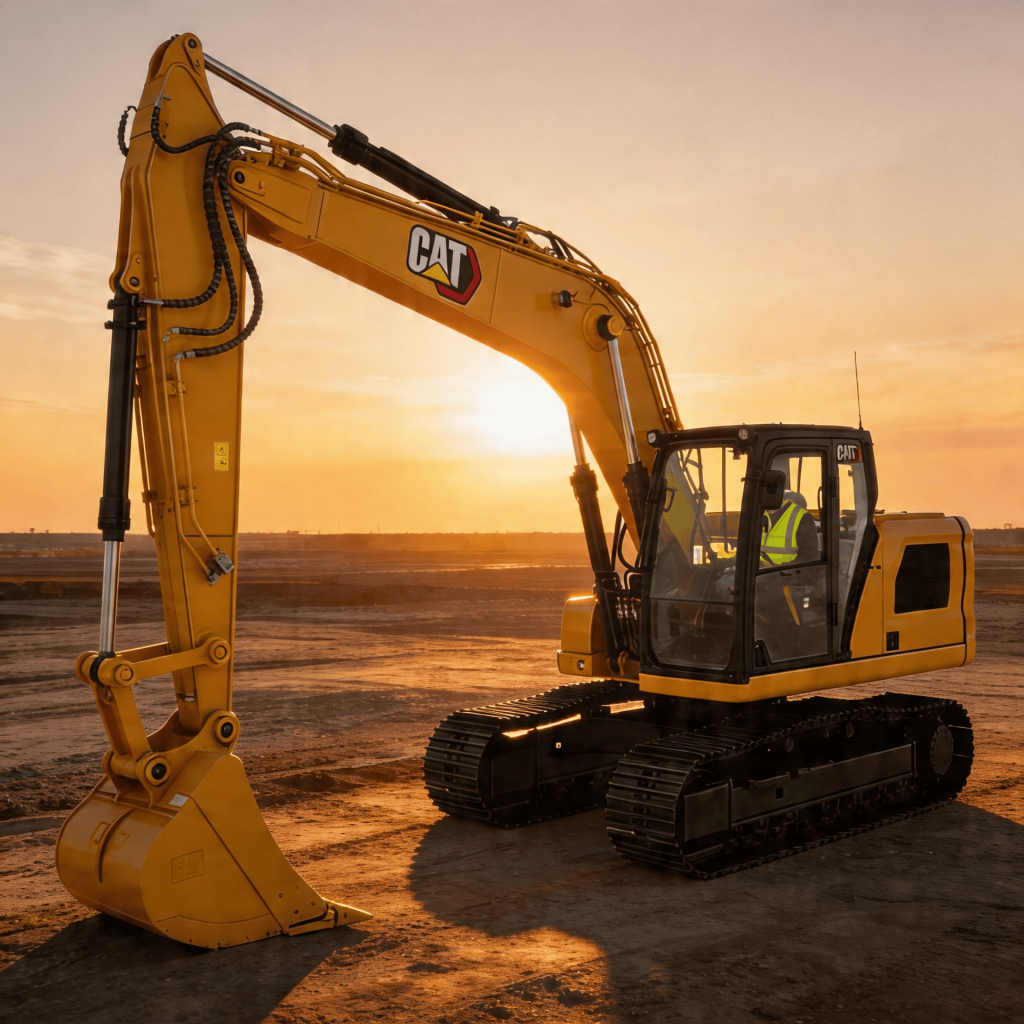
When equipment is displayed intentionally, it becomes a landmark.
People give directions like, “By the excavator near the entrance.” Kids climb on it. Parents take photos. Conversations start naturally.
Your machine becomes integrated into the experience, making every photo an impression that extends beyond the event.
Local hero status isn’t about ego; it’s about dependability. A local hero is someone trusted when crucial issues arise, such as roads, land, safety, and infrastructure. When your business shows up at community events, people naturally see you as this dependable figure. You’re no longer just “a contractor,” you’re “the contractor.”
Ads compete for attention, but events already hold it. Instead of disrupting someone’s day, you become part of it, making your presence welcomed rather than merely tolerated. Unlike ads that fade away when the budget runs out, community sponsorship creates lasting memories. People remember who shows up.
Not all events create authority.
The best events are those with strong local identity and repeat attendance.
Examples include:
Events tied to families and tradition tend to deliver the strongest long-term impact.
You don’t need elaborate displays; visibility takes precedence over polish. Using clear signage, clean equipment, and an approachable setup will be more effective than flashy booths.
People should instantly know:
Overbranding distracts. Simplicity invites conversation.
When users interact with equipment, the experience becomes memorable. Kids recall it, and parents link your brand with positive moments. This emotional connection endures. It’s not just about selling to children but about building memory hooks within households. These memories influence future decisions.
Event sponsorship isn’t mainly about quick returns on investment. It focuses on long-term positioning. When clients later require excavation, land clearing, or heavy work, they don’t begin their search from zero. Instead, they recall the brands and organizations they’ve encountered, especially those that appear established and trustworthy. This recognition significantly accelerates their decision-making process.
Authority influences how people assess cost. When you’re regarded as the trusted local choice, price becomes a contextual factor rather than the main focus. Customers anticipate higher fees for professionals and feel more secure paying them. Just having an event nearby subtly justifies your pricing even before any discussion begins.
Big iron marketing amplifies everything else.
People who see your equipment at events are more likely to:
Familiarity increases conversion across all channels.
Many contractors view sponsorships purely as advertisements, expecting instant leads. This perspective often results in disappointment because sponsorships primarily build reputation, not immediate response. While response levels can vary, reputation steadily grows over time. Recognizing this distinction is crucial for long-term success.
One event supports your reputation. Showing up consistently fosters authority. When your business appears annually, it indicates stability, which in turn fosters trust. Trust leads to customer preference. This process is how businesses grow into institutions.
Your equipment establishes the foundation. Your crew leaves the final impression. Courteous, patient, and professional interactions strengthen authority, while hurried or dismissive conduct weakens it. During events, everyone is under observation, and this visibility has both advantages and disadvantages.
You won’t be tracking clicks; instead, you’ll hear about it in conversations.
✅“I’ve seen your equipment around town.”
✅“You’re the ones who sponsor the fair.”
✅“My kids loved your machine.”
These comments indicate that the strategy is effective. Authority is reflected in tone rather than metrics.
Big iron marketing works best when:
It is less effective for short-term, high-volume strategies.
Anyone can run ads. However, not everyone can establish themselves as a familiar name locally. When your business is linked to community events and maintains a visible presence, it becomes difficult for competitors to change that perception. Authority builds a protective moat around your position.
Local community sponsorship isn’t just about putting logos on banners. It’s about establishing presence, creating memories, and building trust. Big iron marketing succeeds because it combines scale, visibility, and community pride.
When people notice your equipment in their community spaces, they stop perceiving you merely as a vendor. Instead, they see you as a part of their neighborhood. This is how “local hero” brands are formed, not by louder advertising, but by consistently showing up.

Most contractors price every job the same way, using a simple cost plus margin formula, and if the margin is not there, they walk away.

More marketing doesn’t always lead to more growth; sometimes it results in wasted expenditure. Many contractors invest in ads without realizing they are already ranking
When work diminishes, the simplest solution often appears straightforward: buy leads. Platforms claim to offer exposure, steady inquiries, and growth without additional marketing. For many

Most contractors compete for attention, but few focus on building trust. In competitive markets, attracting attention is easy through paid ads, but earning trust is

In excavation, skill is important, but first impressions matter more. Before a client assesses your grading or speed, they form an opinion based on your

Most contractor websites tend to look similar, featuring stock photos of excavators, generic quality statements, a list of services, and a phone number at the

Before ads, SEO, or social media, there is Rule Number Zero: protect and grow your reviews. In today’s market, your Google profile often forms the

Most contractors complete a job and leave without collecting money on the invoice; instead, they leave an impression on the street. When you finish a
Most contractors believe growth begins with advertising. However, true growth in excavation businesses starts with a solid foundation and referrals. Leading companies in this field