Selling the “Front-End” Loss: Thinking Long-Term Profit
Most contractors price every job the same way, using a simple cost plus margin formula, and if the margin is not there, they walk away.
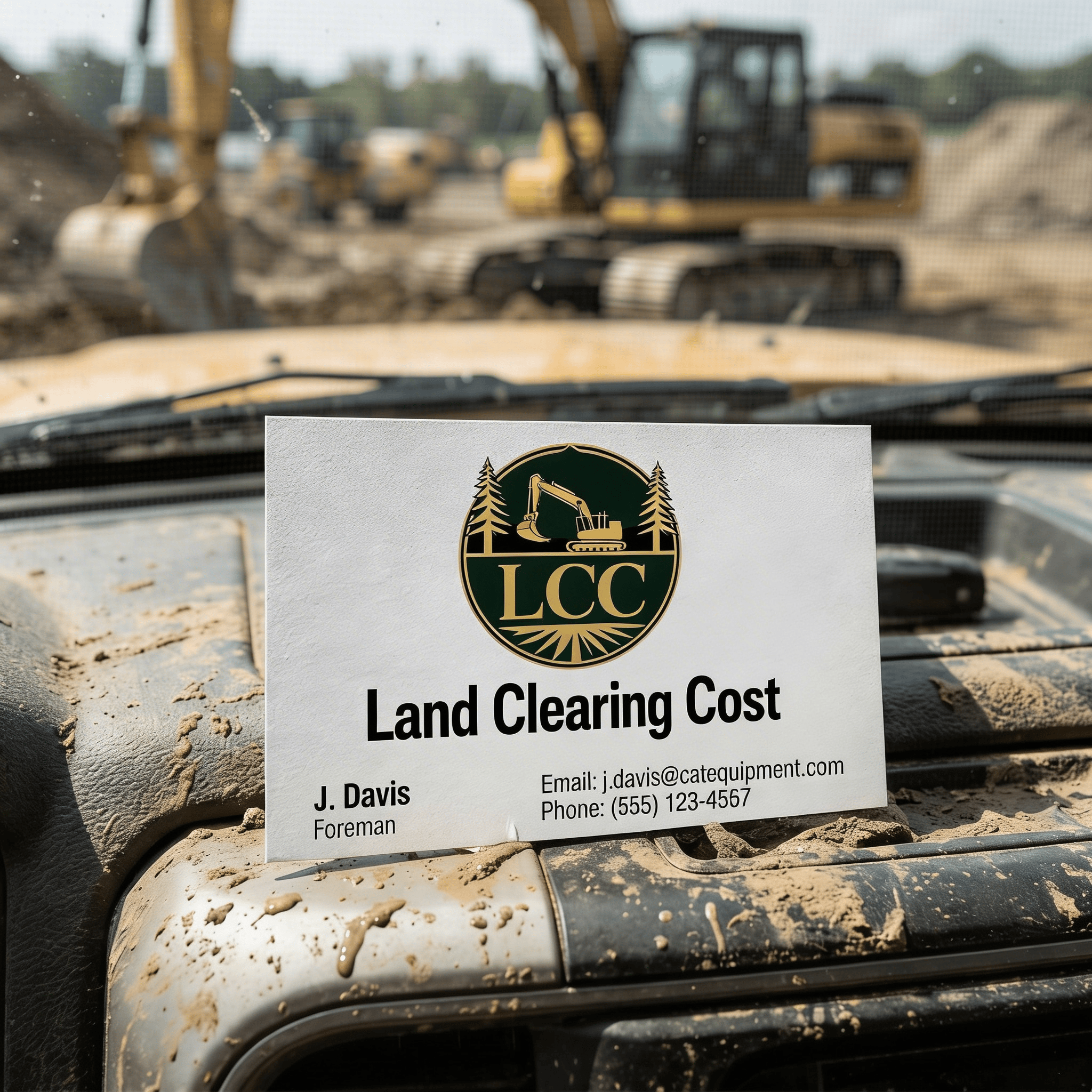
Business cards are one of the smallest tools in a contractor’s kit, yet they often carry more weight than expected. They are handed over at job sites, pulled from dusty pockets, left in trucks, dropped on dashboards, and passed between neighbors. For excavators and contractors, business cards live in the real world, not desk drawers.
That reality changes how they should be designed.
This article explores contractor business card ideas with a focus on durability, material choice, and professional-grade strategy. It explains why waterproof and rugged cards outperform standard paper cards and how durability itself becomes part of your brand.
Many contractors assume business cards are outdated. Phones save contacts. Websites exist. Social media handles are easy to share.
Yet business cards continue to work because they fit the moment.
When you are standing on a job site, covered in dirt, or talking with a landowner next to active equipment, pulling out a phone feels awkward. Handing over a card feels natural. It ends the interaction cleanly and professionally.
Business cards are still one of the fastest ways to transfer trust in person.
Contractor business cards do not live in wallets.
They live in:
That environment is hostile to paper.
Moisture, dirt, oil, sweat, and friction destroy standard cards quickly. A bent, faded, or smeared card quietly damages perception. Even if the work is solid, the card tells a different story.
Durability is not a luxury. It is functional branding.
Clients judge details when they lack technical knowledge.
They may not understand excavation methods, but they understand quality signals.
A durable card sends a message before a word is spoken. It suggests preparedness, seriousness, and respect for real working conditions. It feels intentional, not generic.
When a card survives the same environment as the contractor, it feels authentic.
A card that bends, smears, or tears appears temporary. In contrast, a card that remains intact feels permanent.
Durable cards tend to stay longer in pockets, trucks, and homes because they do not degrade. The longer a card survives, the more times it is seen. Repetition builds familiarity. Familiarity builds trust.
A waterproof or rigid card quietly extends brand life without additional effort.
Material is not just an afterthought in design; it forms the core of it. When creating contractor business card ideas, prioritize material first and visuals second.
Pro-grade materials commonly include:
These materials are resistant to moisture, tearing, and fading. They also have a unique tactile feel, enhancing recall. Texture effectively becomes part of the branding imagery.
Waterproof cards are not just a novelty; they aim for realism.
Rain, mud, sweat, and spills are normal in construction environments. A card that survives those conditions proves it belongs there.
When a client pulls a card from a damp pocket weeks later and it still looks clean, the impression is subtle but powerful. It reinforces reliability without saying a word.
Durable materials change how design should be approached.
Overly complex graphics, thin fonts, and light contrast reduce legibility, especially after wear. Strong contractor business card ideas focus on clarity and restraint.
Bold fonts, high contrast, and minimal text perform better over time. Matte finishes reduce glare. Simple layouts survive scratches and handling better than busy ones.
Design should assume the card will be abused.
Most cards try to say too much.
A business card is not a brochure. Its job is recognition and recall.
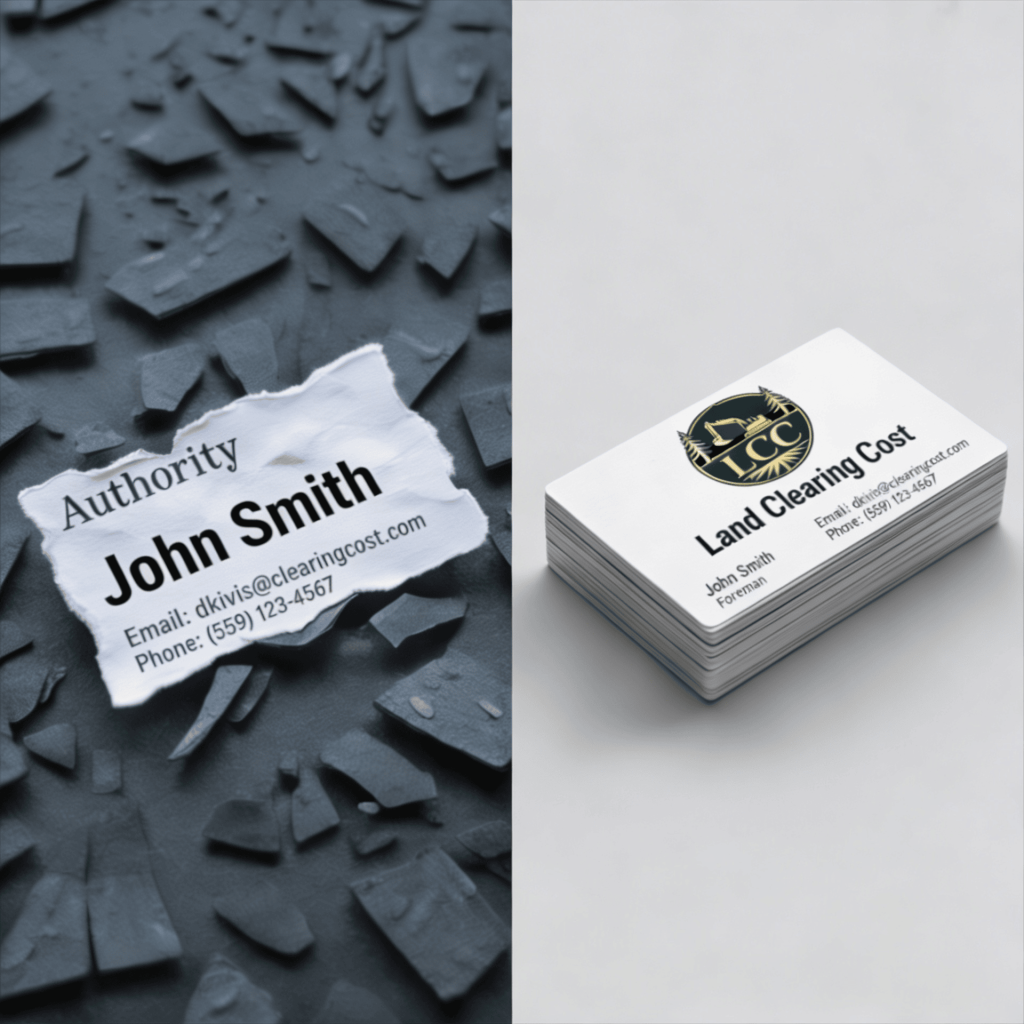
The most effective cards usually include:
Anything exceeding that level distracts the viewer. Clarity takes precedence over complexity, especially on a small scale.
When someone looks at a card later, they’re not reading, they’re scanning. If the message can be understood in two seconds, the card is effective.
If it takes more effort to interpret, it will be ignored. This is particularly crucial for contractor business cards, which are often viewed days or weeks after being handed out rather than immediately.
Weight matters more than most realize.
A heavier or sturdier card feels valuable. It triggers a subconscious association with quality. Lightweight paper cards feel disposable by comparison.
This does not mean luxury materials are required. It means intentional choice matters.
A card that feels solid reinforces the idea that your business is solid.
Contractors use business cards differently from office professionals.
Cards get handed to:
This means cards are capable of travel. A durable card is more likely to last long enough to be passed on, converting one card into multiple impressions. Therefore, durability enhances reach.
Cheap cards are replaced frequently. They tend to fade, tear, and appear worn out quickly.
That creates hidden costs:
Investing in durable cards reduces replacement frequency and improves consistency. Over time, the cost difference narrows while the impact grows.
There should be alignment between what you charge and how you present yourself.
High-end services paired with low-quality cards create friction. Clients may not consciously notice, but something feels off.
Durable, professional cards support premium positioning. They make pricing feel more justified because the presentation matches the promise.
A durable business card serves as a memorable reference point. Clients keep, recognize, and mention it. Over time, it becomes a key part of how people remember you, which only occurs if the card lasts long enough to be meaningful. By lasting, it transforms from a simple object into a lasting symbol of your brand.
Many cards fail due to avoidable decisions.
Common issues include:
Thin paper stock
Glossy finishes that smear
Small fonts
Overcrowded layouts
Low contrast colors
These errors diminish readability and durability. A card that doesn’t last cannot function effectively.
Word-of-mouth often occurs when you’re not around. When someone requests a recommendation, they pull out a card. If the card appears clean and professional, the recommendation is more credible. However, if the card looks worn or damaged, confidence decreases a bit. Durable cards help maintain trust by protecting referrals.
Once a durable card design is established, maintaining consistency is essential. All crew members should carry identical cards in terms of material, layout, and message. This consistency boosts recognition and portrays professionalism, while varied designs can reduce recall. Uniformity in cards also indicates a well-organized operation.
Most marketing tools are temporary, but business cards are physical assets that remain in circulation. By making cards more durable, their lifespan is extended, which boosts exposure. Greater exposure leads to increased familiarity, creating a form of compound marketing in physical form.
Contractor business card ideas should be rooted in practicality rather than fleeting trends. Reality involves elements like dirt, water, wear, and the passage of time. Durability isn’t separate from design; it’s integral to it.
A waterproof or professional-grade card does more than just endure, it conveys seriousness, reliability, and professionalism in settings where paper cards might fail. When durability and design come together, a business card ceases to be disposable and transforms into a useful tool.

Most contractors price every job the same way, using a simple cost plus margin formula, and if the margin is not there, they walk away.

More marketing doesn’t always lead to more growth; sometimes it results in wasted expenditure. Many contractors invest in ads without realizing they are already ranking
When work diminishes, the simplest solution often appears straightforward: buy leads. Platforms claim to offer exposure, steady inquiries, and growth without additional marketing. For many

Most contractors compete for attention, but few focus on building trust. In competitive markets, attracting attention is easy through paid ads, but earning trust is

In excavation, skill is important, but first impressions matter more. Before a client assesses your grading or speed, they form an opinion based on your

Most contractor websites tend to look similar, featuring stock photos of excavators, generic quality statements, a list of services, and a phone number at the

Before ads, SEO, or social media, there is Rule Number Zero: protect and grow your reviews. In today’s market, your Google profile often forms the

Most contractors complete a job and leave without collecting money on the invoice; instead, they leave an impression on the street. When you finish a
Most contractors believe growth begins with advertising. However, true growth in excavation businesses starts with a solid foundation and referrals. Leading companies in this field