

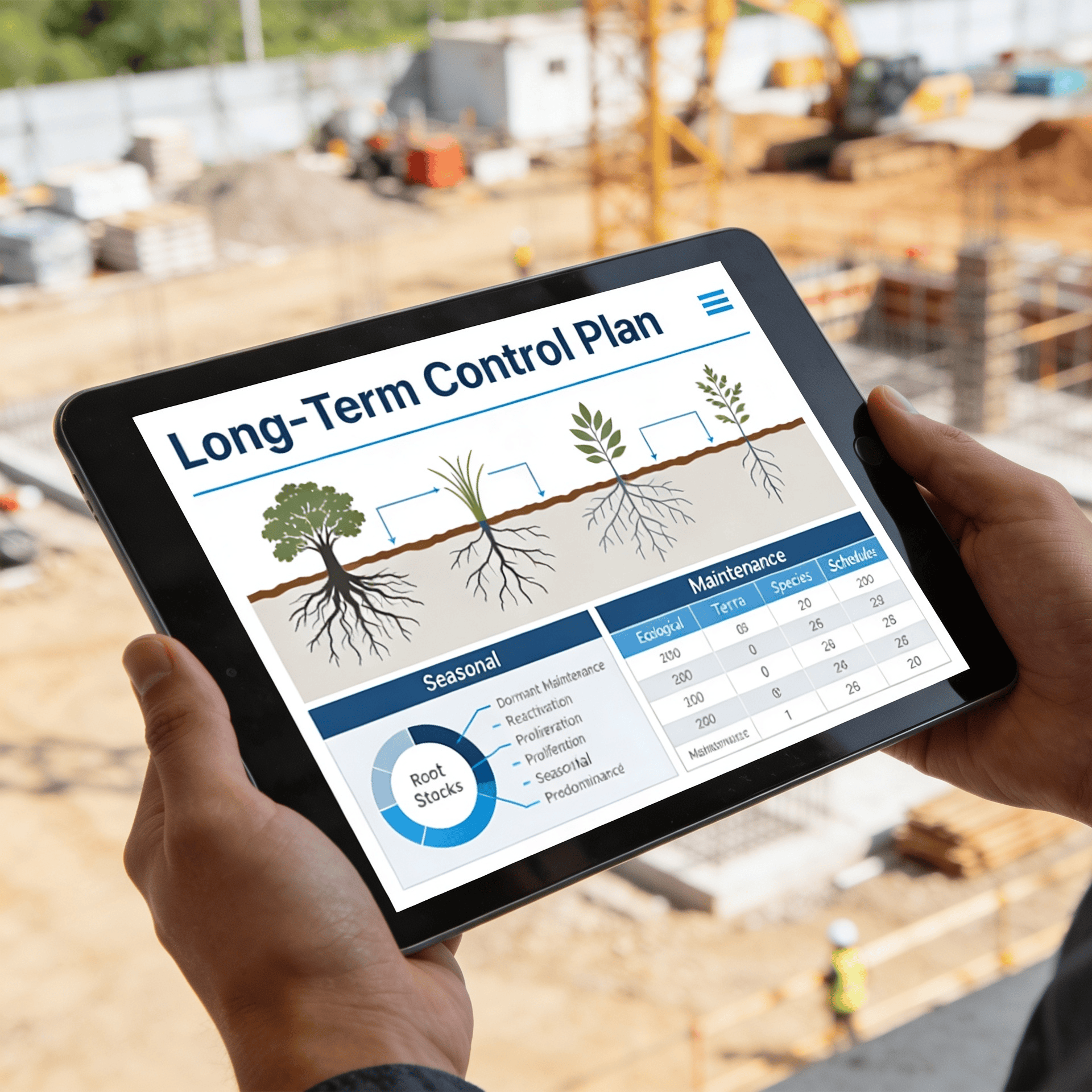

Selling the “Front-End” Loss: Thinking Long-Term Profit
Most contractors price every job the same way, using a simple cost plus margin formula, and if the margin is not there, they walk away.

Most land clearing contractors focus on selling removal services, while specialists offer comprehensive solutions. There is a clear difference.
When you position yourself as an invasive species removal business instead of a general clearing contractor, the conversation shifts. You are no longer competing on machine time. You are charging for expertise.
Invasive plants like Kudzu and aggressive blackberry varieties create specific problems. They spread fast. They choke access. They damage fences. They reduce land value. Property owners dealing with these plants are not just looking for clearing. They are looking for control.
This article explains how niche marketing for Kudzu and blackberry turns ordinary land work into higher-margin, expertise-driven revenue.
Land clearing is typically optional, but removing invasive species is a matter of urgency.
When Kudzu overtakes trees or blackberry brambles swallow pasture edges, property owners feel loss of control. They see fences disappear. Trails close. Livestock areas shrink.
This is not just superficial; it feels invasive and aggressive. The sense of urgency boosts the willingness to pay for the correct solution.
Anyone with the right equipment can clear brush, but few contractors focus on long-term control strategies.
One can keep cutting invasive species, but that does not work. It really requires a lot of understanding of the :
When you focus your service on control rather than removal, the pricing shifts from labor costs to strategic value. Strategic approaches justify higher rates.
Not all invasive species create the same opportunity.
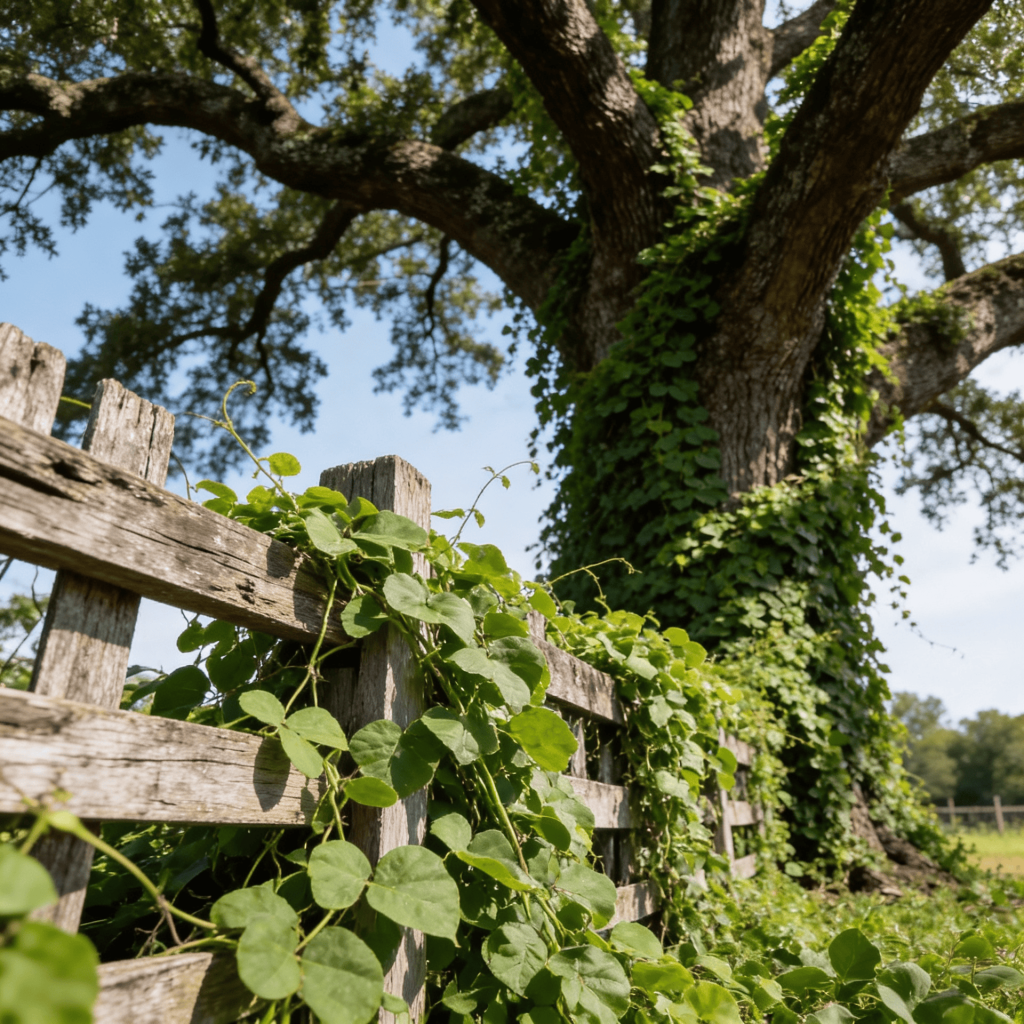
Kudzu spreads aggressively, climbs trees, and regrows quickly. Blackberry brambles form dense, thorn-heavy barriers that frustrate landowners.
Both plants:
This makes them perfect for niche positioning. They are specific enough to set you apart while remaining common enough to maintain demand.
When marketing as an invasive species removal business, your messaging changes. Instead of simply saying you clear land, you specify that you eliminate Kudzu infestations or restore overgrown pasture edges.
This level of detail appeals to property owners who are actively seeking solutions. They are not interested in a general contractor but want someone who understands their particular issue. Clearly defining specific problems leads to more accurate pricing.
Property owners struggling with rapid growth are often frustrated. They’ve likely tried cutting, spraying, or hired help already. Explaining why these efforts failed can build trust. For example, discussing how root crowns regrow or how improper cutting spreads growth shows your knowledge. This demonstrates expertise, which justifies higher rates.
Most contractors offer a wide range of services, while only a few specialize in a single type of plant.
When someone searches for invasive species removal services, your niche positioning sets you apart.
Instead of competing with every clearing contractor, you compete with very few specialists.
Less competition means less downward price pressure.
Invasive plants exhibit different behaviors throughout the year. Kudzu grows rapidly during warm months, while blackberry flourishes in spring and early summer. Knowing these seasonal growth patterns enables targeted marketing at optimal times.
Contacting clients before the peak growth season positions you as proactive and ahead of the competition. Offering services proactively enhances your professional image. Being a true professional in your field supports your pricing strategies effectively.
Packaging Services for Long-Term Control
Typically, removing just one element results in temporary fixes. Think of services as being carefully planned and organized.
For instance:
This approach generates ongoing revenue rather than one-time sales. Recurring services help stabilize income and strengthen client loyalty.
Many contractors charge based on hourly rates or the size of the area, while specialists price their services based on the desired outcome.
Instead of selling machine time, sell:
Outcome-based pricing moves the emphasis from cost per hour to the value provided.
Visual Proof Strengthens Your Position
Before and after photos are powerful tools for showcasing the removal of invasive species. The stark contrast between vine-covered walls and open fields is striking. Clearing blackberry thickets for pasture reveals visible benefits almost instantly. Visual evidence strengthens your credibility. When customers observe the transformation, they perceive the price as fair.
Working With Rural Property Owners
Rural landowners often struggle with invasive growth but tend to keep their problems private. They may feel overwhelmed or unsure about the correct actions to take. Clear and honest explanations about the necessary steps, time commitments, and feedback can build trust. Making your solution simple and straightforward helps eliminate their hesitations. Trust encourages ongoing collaborations and referrals.
Niche clients tend to be more focused and intentional. They aren’t just browsing casually; they’re actively seeking solutions for particular issues. This sense of urgency diminishes their tendency to shop around, leading them to prioritize the experience over discounts. As a result, this boosts profit margins and lessens the need for negotiations.
Presenting yourself as a general clearing service means competing primarily on availability and price. Alternatively, positioning yourself as a Kudzu or blackberry specialist allows you to compete through expertise. Developing expertise establishes authority, which in turn fosters loyalty. Loyalty ultimately leads to stable revenue.
Many property owners are unaware of why invasive plants tend to return. Providing short educational materials, site visits, and clear explanations can establish you as knowledgeable. When clients have a better understanding of the issue, they tend to respect the proposed solution more. Education also enhances perceived value.
You don’t need to give up other services. Instead, focus on your specialty. As time goes on, your brand will be seen as a leader in invasive control. This reputation spreads naturally. Referrals grow because people are aware of your expertise. A clear identity boosts word-of-mouth recommendations.
Charging higher fees for invasive species removal depends on having confidence, which is built through knowledge and positioning. When clients perceive you as a specialist, they anticipate higher prices, reducing resistance. These increased margins enable investment in better equipment, follow-up, and overall service, thereby strengthening your position cycle.
Markets favor clarity. Being recognized for a single strength is more impactful than trying to be good at everything. Over time, this focus builds your brand’s authority, making it harder for competitors to imitate. This helps safeguard your market position.
Starting an invasive species removal business doesn’t limit opportunities; it refines them. Kudzu and blackberry overgrowth pose urgent, visible issues that require organized solutions. By establishing yourself as an authority in controlling the spread, rather than just land clearing, you can charge higher rates. Targeted marketing enhances your credibility, which in turn justifies premium prices. When you sell expertise rather than just machine hours, your business becomes more resilient and easier to expand.

Most contractors price every job the same way, using a simple cost plus margin formula, and if the margin is not there, they walk away.

More marketing doesn’t always lead to more growth; sometimes it results in wasted expenditure. Many contractors invest in ads without realizing they are already ranking
When work diminishes, the simplest solution often appears straightforward: buy leads. Platforms claim to offer exposure, steady inquiries, and growth without additional marketing. For many

Most contractors compete for attention, but few focus on building trust. In competitive markets, attracting attention is easy through paid ads, but earning trust is

In excavation, skill is important, but first impressions matter more. Before a client assesses your grading or speed, they form an opinion based on your

Most contractor websites tend to look similar, featuring stock photos of excavators, generic quality statements, a list of services, and a phone number at the

Before ads, SEO, or social media, there is Rule Number Zero: protect and grow your reviews. In today’s market, your Google profile often forms the

Most contractors complete a job and leave without collecting money on the invoice; instead, they leave an impression on the street. When you finish a

Most contractors believe growth begins with advertising. However, true growth in excavation businesses starts with a solid foundation and referrals. Leading companies in this field