
future excavation technology 2030

The Future of Excavation: The 2030 Curve

The excavation industry is evolving gradually. While the changes are not sudden or drastic, they are steady. Contractors who adapt to this transition will thrive, whereas those who resist may face challenges from margins, labor shortages, regulations, and client demands. 

The future of land clearing won’t favor the largest machines but will favor the most flexible operators. This article examines the projected trends for 2030 and provides practical insights on technology, market developments, and strategic positioning.

The 2030 Curve Explained

The 2030 curve does not represent a sudden breakthrough; instead, it signifies a gradual shift in direction.

Each year, small changes stack:

  • Smarter equipment
  • Higher insurance standards
  • Digital bidding
  • Environmental oversight
  • Client demand for speed and transparency

Individually, these changes seem manageable. However, collectively, they transform the industry. Early recognizers of the trend adapt slowly, while those who overlook it must make rapid adjustments later.

Labor Will Remain the Pressure Point

Finding skilled operators is already difficult. By 2030, competition for labor will intensify.

Millennials want:

  • Clear career progression
  • Up-to-date equipment
  • Organized systems
  • Consistent earnings

Companies that invest in training, culture, and clear growth plans will attract better talent. Those depending solely on wages will face difficulties. Labor strategy transforms into leadership strategy.

Equipment Is Getting Smarter

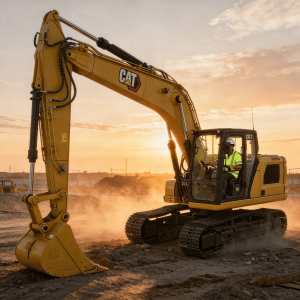
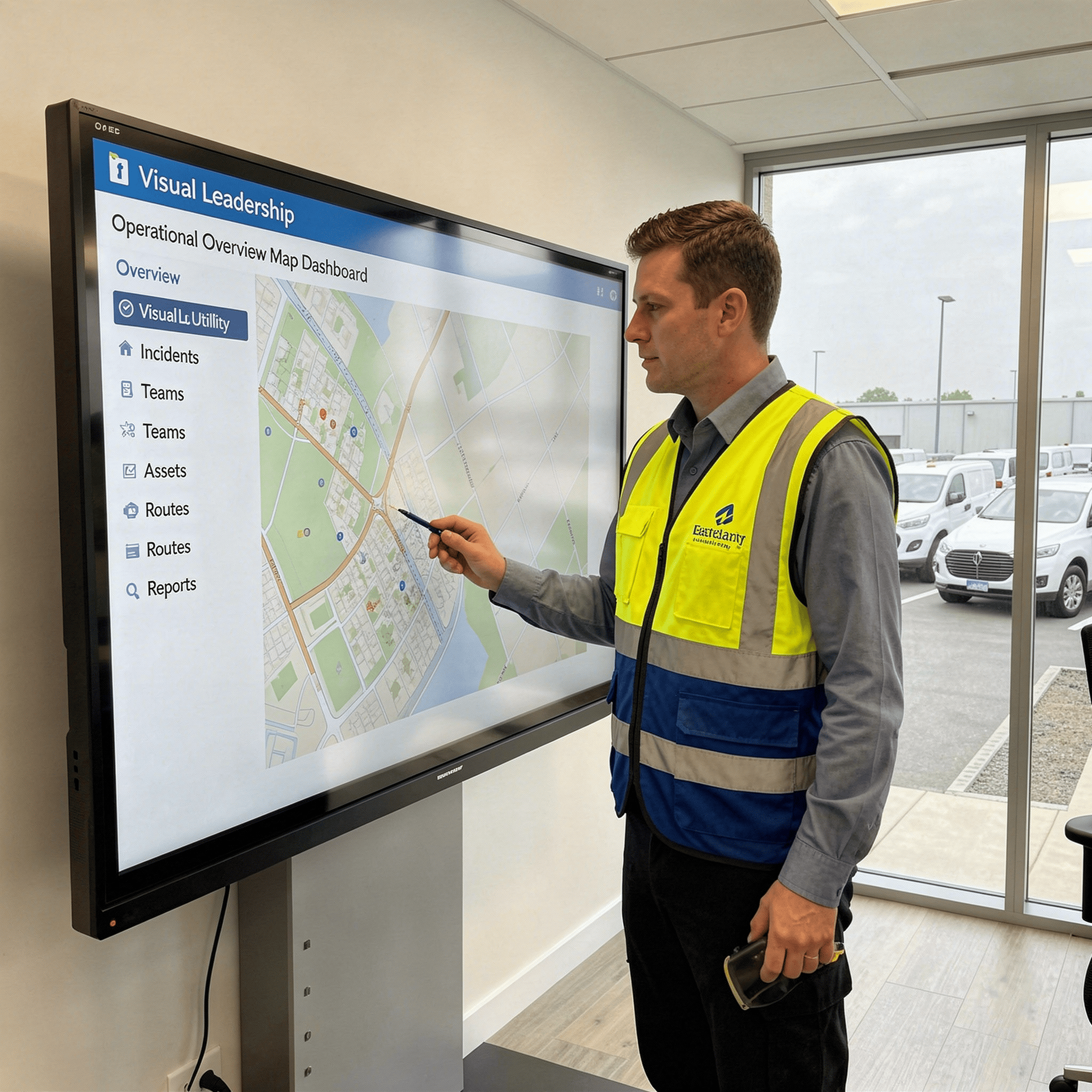
Machine technology is progressing rapidly. Grade control systems, telematics, predictive maintenance software, and fuel monitoring tools are now commonly used. These technologies do not replace operators but improve accuracy and minimize waste. 

The future of land-clearing will rely more on data-driven decisions. Contractors who master data use will operate more efficiently, helping protect profit margins.

AI and Administrative Automation

Fieldwork always demands being physically present, while back-office tasks do not. Activities such as estimating, scheduling, follow-ups, and managing CRM systems are increasingly automated.

AI tools help with:

  • Bid writing
  • Objection handling
  • Client communication
  • Lead tracking

Administrative efficiency allows owners to concentrate on leadership, while technology helps to minimize obstacles.

smart excavation equipment ai

Environmental Oversight Will Increase

Regulations rarely decrease.

Some of the biggest areas are going to be: 

  • erosion control
  • stormwater management
  • tree preservation
  • wildlife considerations
  • emissions standards

A contractor who is well-informed and proactive will definitely stand out as a winner. Compliance helps earn trust not only from developers.

Clients Expect Professional Systems

The days of handshake-only operations are fading.

Clients now expect:

  • Clear proposals
  • Digital communication
  • Transparent pricing
  • Proof of insurance
  • Structured scheduling

The future contractor functions as a business rather than merely a skilled tradesperson. Implementing professional systems enhances the perceived value. This increased perceived value enables stronger pricing strategies.

The Shift Toward Specialization

Generalists will continue to exist, but specialists will command higher margins. Whether it’s fire mitigation, invasive species removal, commercial site prep, or subdivision development, concentrated expertise will be distinguished. The future of the land clearing industry favors clarity; having a clear identity is more effective than broad messaging.

Recurring Revenue will Grow into the Norm

There will be an increase in maintenance contracts, rotating brush management, and yearly service plans. Unpredictable one-off projects cause revenue fluctuations. Revenue stability is achieved through organized maintenance programs. 

Contractors who implement recurring service models will be more resilient to economic changes. Ultimately, stability evolves into a strategic approach.

Digital Reputation Will be More Important

Having an online presence is now essential. By 2030, most hiring decisions will rely on internet-based information. Factors like reviews, photos, response times, and local search visibility shape people’s perceptions even before any direct interaction. Reputation management becomes as crucial as actual jobsite performance, as trust is increasingly established online.

Data Will Influence Bidding

Clients are gaining more information. They can now access pricing ranges, competitor reviews, and permit data, which influence negotiations. Contractors who monitor their own data can respond with confidence. Understanding the full cost structures helps protect profit. Data eliminates guesswork.

Fleet Management Will Shift Toward Prevention

Reactive maintenance wastes money.

Predictive systems keep an eye on:

  • Engine hours
  • Fuel efficiency
  • Service intervals
  • Component wear

Preventive maintenance strategies lower the risk of unexpected equipment failures that can cause unplanned downtime. Reducing downtime boosts profitability. Technology plays a key role in supporting reliability.

Scaling Requires Structure

By 2030, small operations without structure will feel pressure.

Scaling from one crew to multiple crews requires:

  • Training systems
  • Communication protocols
  • Defined standards
  • Financial oversight

Structure safeguards quality. Quality, in turn, safeguards the brand.

The Human Element Remains Central

Despite ongoing technological advances, excavation remains a manual task. Trust, leadership, and reliability continue to be essential. Clients prefer working with people rather than machines. Technology assists in carrying out tasks, while character upholds reputation. Both qualities will remain important.

The Risk of Standing Still

The greatest threat is not competition but stagnation. Avoiding useful tools, neglecting process improvements, or resisting cultural changes hampers growth. Small, consistent improvements each year help prevent significant disruptions in the future. Adaptation builds over time.

The Opportunity Within the Shift

Change generates pressure but also opens up new opportunities.

Contractors who embrace:

  • Smart equipment
  • Professional systems
  • Specialized services
  • Recurring revenue
  • Structured leadership

Will advance while others hold back. Preparation distinguishes leaders from survivors.

Final Thoughts on Tech and Industry Shifts

The future of the land clearing industry will favor balance. Embrace technology while preserving craftsmanship. Develop systems that remain flexible. Expand operations without compromising quality. The 2030 trend isn’t about replacing tradition but enhancing it with smarter tools and clearer organization. 

The contractors who succeed in the next decade won’t necessarily be the loudest, but the most prepared. Growth will go to those who adapt early, lead confidently, and create businesses aligned with the industry’s future, not its past.

Share the Post:

Related Posts

Join Our Newsletter

© 2026 ExcavatorNetworkUSA.com - All rights reserved