yearly maintenance contract agreement

The “Yearly Maintenance” Contract

Most land clearing projects are sold as one-off jobs. Clear the area, invoice, then move forward. This approach makes revenue unpredictable. A more stable model is the Yearly Maintenance Contract, which turns brush control into a regular, predictable source of income for land-clearing companies. Instead of waiting for properties to become overgrown again, you position your business as the ongoing solution. 

This article discusses how to effectively sell rotational brush control as a proactive, responsible, and easily acceptable option for property owners.

Why One-Time Clearing Leaves Money Behind

Brush regrows. Saplings reappear. Fence lines become denser. Pasture boundaries blur. Trails encroach. Relying on clearing as a one-time solution depends on property owners to call again, which many do not. They wait until growth is unmanageable, creating gaps in your schedule. Steady income for land clearing firms comes from addressing regrowth early before it becomes a larger issue.

The Psychology of Maintenance vs Cleanup

Cleanup seems reactive, while maintenance feels more controlled. Landowners tend to delay calling when they feel behind, but stay engaged when they feel ahead. Framing your service as yearly maintenance shifts the emotional tone, making it seem like routine upkeep rather than a rescue. Upkeep conveys responsibility, making responsible spending easier to justify.

Explaining Rotational Brush Control

Brush control on rotation means scheduled return visits before growth becomes aggressive.

Instead of full clearing every few years, you maintain:

  • Fence lines
  • Perimeters
  • Trails
  • Access roads
  • Field edges

Consistent, light work helps prevent major restorations. This lowers the client’s long-term costs and provides a stable income for you.


Why Rotation Is Easier to Sell Than Full Clearing

Full clearing demands substantial budgets, while maintenance involves smaller, predictable payments. Splitting work into annual rotations reduces decision-making pressure. Landowners usually favor manageable yearly costs over infrequent, large bills. Consistent pricing enhances acceptance.

Identifying Ideal Maintenance Clients

Not every property fits a yearly contract.

Strong candidates include:

  • Acreage owners
  • Ranch and pasture land
  • Rural residential properties
  • HOAs with open land
  • Commercial properties with green space

These properties undergo continuous growth cycles. Consistency opens up opportunities.

annual service plan document

Timing the Maintenance Conversation

The ideal moment to sell a yearly contract is right after finishing a clearing job. The land appears clean, and the value becomes evident. This is when you can explain regrowth patterns and suggest follow-up plans. Delaying too long can diminish momentum. Providing education immediately helps increase adoption.

Structuring the Yearly Plan

Keep the structure simple.

For example:

  • One scheduled visit per year
  • Optional mid-season inspection
  • Fixed pricing per visit
  • Priority scheduling

Clearer communication minimizes confusion. When confusion is reduced, decisions can be made more quickly.

Pricing for Predictable Profit

Maintenance pricing should be based on efficiency, especially since a significant portion of the unblocking work is already completed. This creates a healthy profit margin, and your workload will be less demanding. In most cases, flat annual pricing is more practical than charging hourly, as it simplifies budget planning for clients and makes forecasting easier for you.

Talking about the savings over a longer period

Some clients hesitate to commit. Light annual maintenance is explained as a preferable alternative to waiting three years for heavy clearing. Heavy restoration costs more and can significantly disrupt property use. Maintenance acts as a cost spread over time and helps preserve property value. Long-term framing can reduce resistance to these efforts.

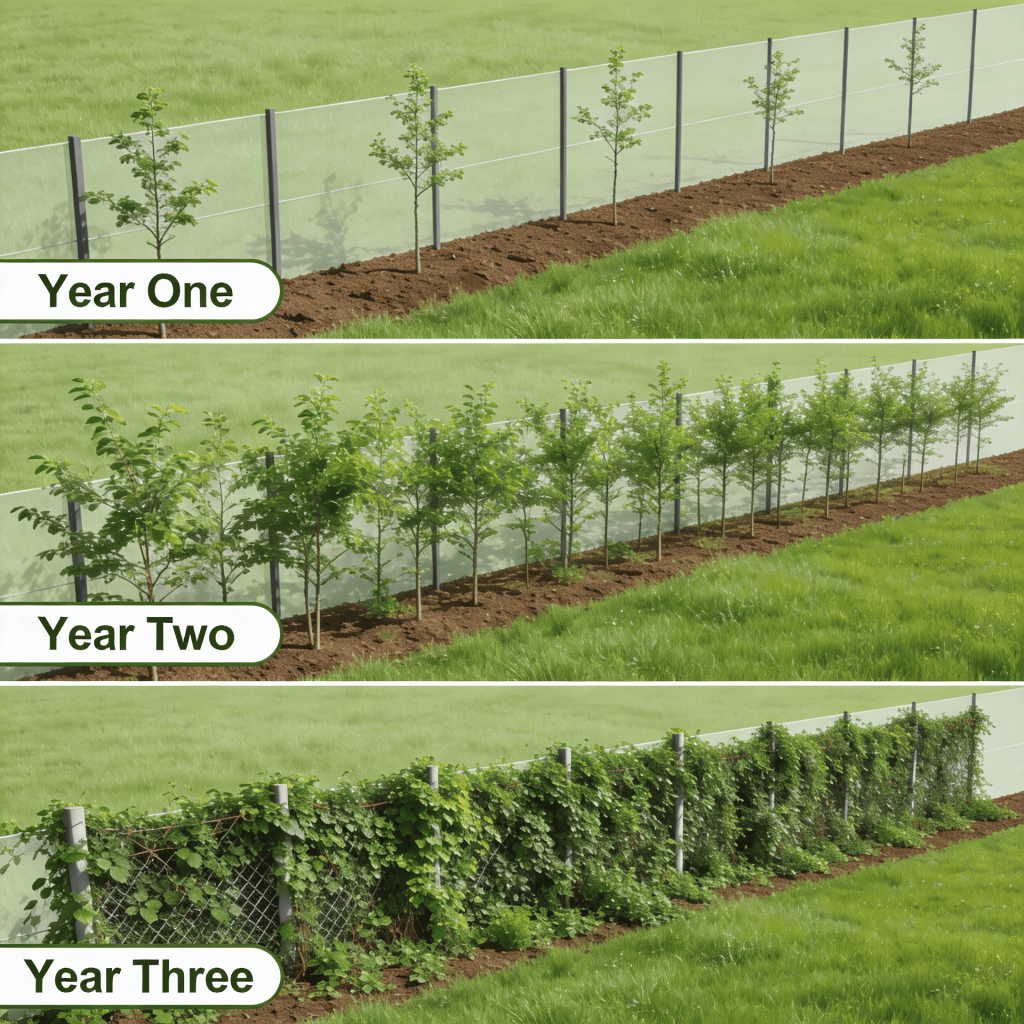
Using Visual Timelines to Explain Growth

Showing how the brush grows over time builds understanding.

Simple examples:

  • Year one: manageable
  • Year two: thickening
  • Year three: heavy reclaim needed

When clients think about future growth, annual maintenance makes sense. This logic helps support recurring revenue.

Building Scheduling Stability

Recurring contracts help stabilize seasonal workload by replacing unpredictable spikes with planned maintenance routes scheduled in advance.

This improves:

  • Crew planning
  • Equipment allocation
  • Cash flow forecasting

Stability reduces stress.

Protecting Property Value Through Maintenance

Overgrown land decreases property value. Access routes become narrower, fences are removed, and visibility drops. Present your annual maintenance contract as a way to protect the asset. Asset protection appears strategic, and offering strategic services earns respect.

Avoiding the “Contract Fatigue” Concern

Some landowners dislike complex contracts. Instead, use simple agreements and avoid lengthy legal documents. Focus more on clarity and flexibility. Concise and clear agreements foster trust, which is essential for building strong, long-term relationships.

Developing Tiered Maintenance Packages

Giving choices always helps get more people on board.

For instance:

  • Simple annual brush control
  • Additional perimeter clearing
  • Complete property rotation

Choice increases commitment.

Retaining Clients Year After Year

Retention relies on trustworthiness. Arrive on time. Communicate effectively. Share before-and-after images. Prove continuous value. Maintenance contracts falter when service is unseen. Make your contributions visible.

Turning Maintenance Into Referrals

Well-maintained properties catch attention. Neighbors observe tidy fence lines and accessible roads. When asked about the property’s upkeep, your name becomes known. Consistent revenue enhances ongoing visibility, which in turn increases referral opportunities.

Training Crews for Maintenance Efficiency

Maintenance work requires discipline.

Crews must:

  • Focus on targeted clearing
  • Avoid overworking areas
  • Maintain consistent edges
  • Leave clean finishes

Efficiency boosts profit margins, and consistency strengthens brand reputation.

Scaling Maintenance Across Your Service Area

Once several contracts are active, growth tends to accelerate. Clustering maintenance clients helps reduce travel time and allows routes to be organized geographically. This not only improves daily profitability but also facilitates scaling through geographic concentration.

Avoiding Overcommitment

Avoid overestimating capacity. Year-long contracts set obligations. Make sure you can fulfill scheduled commitments calmly. High-quality service supports renewals. R

The Compounding Effect of Recurring Revenue

One contract seems minor. Ten contracts establish a basic income, while fifty contracts foster stability. Recurring revenue for land clearing firms enhances predictability in a trade often marked by uncertainty. This predictability supports better long-term planning.

Final Thoughts

The Yearly Maintenance Contract turns brush control from a sporadic task into a consistent source of income. Offering brush control on a rotation basis decreases the risk of regrowth for clients and minimizes revenue gaps for your business. Maintenance becomes a proactive service. Such proactive offerings foster trust. Trust enhances client retention. Improved retention leads to greater stability. Moving from reactive cleanup to regular upkeep allows you to move from constantly seeking work to scheduling it reliably.

Share the Post:

Related Posts

Join Our Newsletter

© 2026 ExcavatorNetworkUSA.com - All rights reserved