


fire mitigation brush clearing

Upselling Fire Mitigation: Seasonal RevenueAuto Draft

Fire mitigation is often viewed as a single, one-time job: clear the brush, reduce fuel, and move on. However, this approach can leave potential revenue unclaimed. In reality, fire mitigation is seasonal, emotional, and ongoing. When targeted correctly, it can become a reliable source of income during dry months when risks and urgency increase. 

This article guides you on how to market fire mitigation services by connecting your message to people’s safety concerns during dry seasons. It emphasizes strategic positioning, timing, and practical upselling methods that come across as responsible rather than pushy.

Why Dry Season Changes Buyer Behavior

People tend to overlook risk when it seems far away, but they respond when it feels immediate. In wet seasons, fire prevention often seems optional. However, as dry months arrive, grass becomes brittle, and burn bans are enforced, perceptions change. Media coverage intensifies, smoke appears on the horizon, and conversations shift. 

Dry conditions raise awareness, and awareness opens up opportunities. Promoting safety during dry seasons is effective because the danger becomes tangible rather than just a theoretical risk.

The Shift From Land Improvement to Property Protection

Most contractors market fire mitigation as land clearing, which narrows its perceived value. During dry seasons, it should be presented as a form of protection rather than solely an improvement. The focus shifts from aesthetics or access to reducing exposure and safeguarding homes, barns, and equipment. Since protection appeals to emotions, this emotional connection can justify a higher price for the service.

Why Fire Mitigation Is Easier to Upsell Than You Think

Clients in general, are highly likely to require at least a partial mitigation of fire risk without their awareness.

Some of the usual causes are:

  • Very close bush/trees next to the building
  • Long, overgrown fence lines
  • Thick green cover along the road from the main gate
  • Accumulation of dead branches
  • Closely packed trees

People see such issues as quite easy to deal with until the lack of rain makes these situations dangerous.

When you connect visible fuel to visible dryness, upselling feels responsible, not opportunistic.

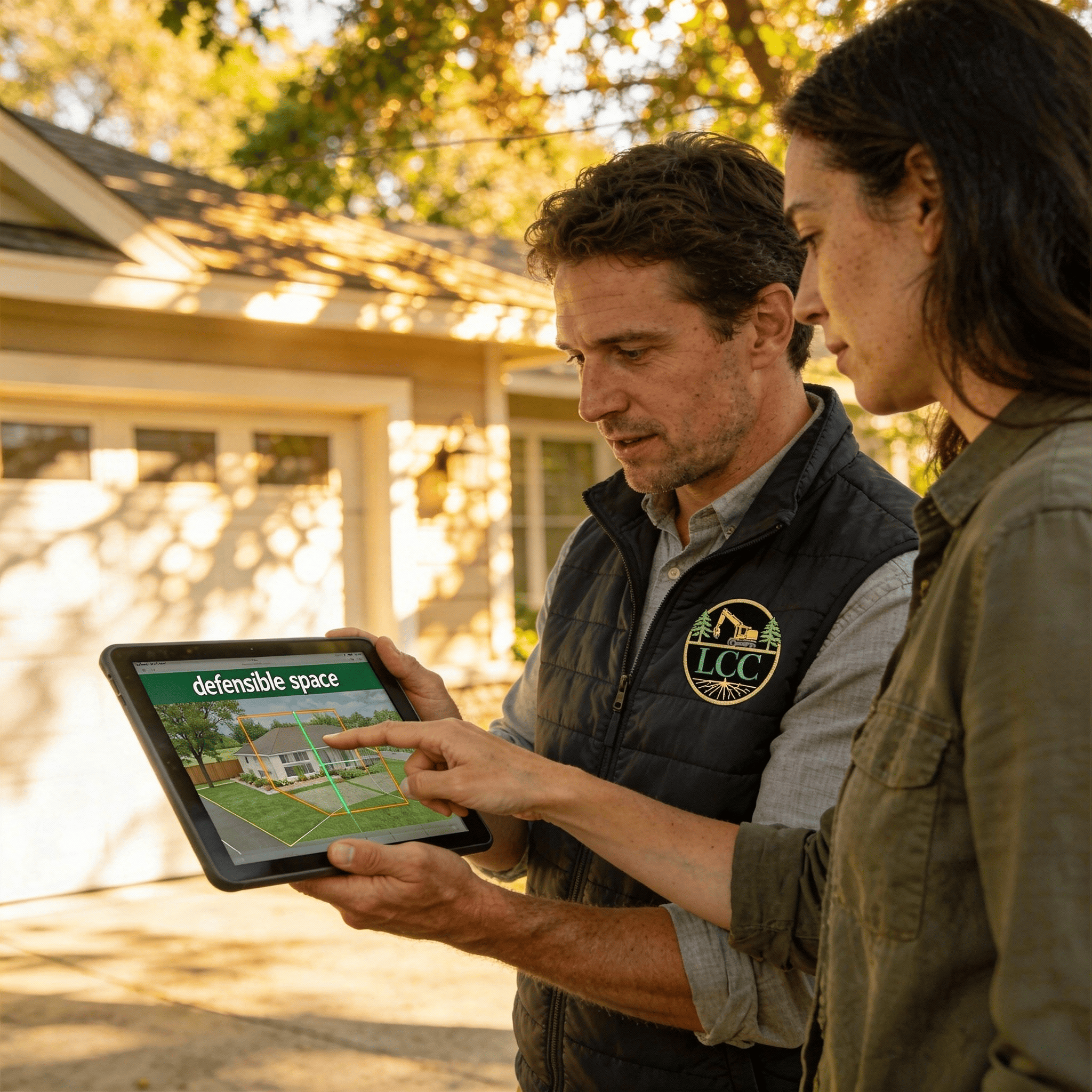
defensible space land clearing

Positioning the Conversation Around Safety

Upselling fire mitigation should never feel like pressure. It should feel like education, a simple language works best. 

  • Explain how dry vegetation behaves differently. 
  • Explain how wind carries embers. 
  • Explain how spacing reduces spread.

Avoid technical overload.

Focus on:

  • Fuel reduction
  • Defensible space
  • Slowing fire progression
  • Access for emergency vehicles

Clarity builds trust.

The Seasonal Revenue Opportunity

Dry season is predictable that allows for planned outreach.

Instead of waiting for inquiries, contractors can:

  • Reach out to past clearing clients
  • Contact rural property owners
  • Follow up with previous estimates
  • Coordinate with real estate agents

Seasonal reminders create top-of-mind awareness.

When dry conditions intensify, you are already the name they remember.

Turning One Service Into Ongoing Protection

Fire mitigation is an ongoing process, not a one-time fix. Vegetation regrows over time, deadfall accumulates, and windstorms continuously reshape landscapes. Therefore, framing mitigation as a form of maintenance rather than a sudden emergency response emphasizes its iterative and persistent nature.

This creates recurring revenue through:

  • Annual fuel reduction
  • Seasonal inspections
  • Light brush touch-ups
  • Perimeter clearing

Recurring safety services stabilize income.

How to Start the Upsell Conversation Naturally

The upsell should connect to existing work.

If you are already:

  • Clearing land
  • Grading access roads
  • Installing driveways
  • Preparing pads

You are in a position to bring up fire mitigation. A brief remark about spacing or undergrowth during dry conditions can initiate the conversation. Providing context makes the suggestion seem more helpful.

Why Visual Proof Works Best

During dry season, visuals are powerful.

Show:

  • Before and after fuel reduction
  • Cleared defensible space around homes
  • Thinned tree lines
  • Clean access corridors

When clients observe a lowered fuel load, the benefits become evident. Clear visuals help minimize objections.

Handling the “We Haven’t Had a Fire Here” Objection

This objection is common. The response should stay calm and not argue probability, but instead focus on preparation. Clarify that mitigation aims to reduce impact rather than predict disasters. Preparedness conveys responsibility, whereas fear-based selling seems manipulative. Maintain a measured attitude.

Working With Insurance and Local Guidelines

Many regions now link fire mitigation efforts to insurance policies. During dry seasons, insurers frequently review policies or raise coverage concerns.

Position yourself as someone who understands:

  • Local clearance guidelines
  • Defensible space standards
  • Risk reduction best practices

When you align with regulation and insurance realities, upselling turns into an advisory role. Advisors gain greater trust.

Creating Dry Season Campaign Messaging

Seasonal marketing should match the environment.

Messaging themes that work include:

  • “Prepare before peak heat.”
  • “Reduce fuel load before conditions worsen.”
  • “Create defensible space now.”

Use calm, professional language to promote safety and readiness, avoiding alarmist tones, especially during dry seasons.

Why Fire Mitigation Attracts Better Clients

Safety-focused services draw serious property owners.

These clients:

  • Care about long-term planning
  • Understand risk
  • Value expertise
  • Accept structured pricing

They are less likely to negotiate aggressively because they see the service as protective.

That improves margins.

Upselling Without Overreaching

Not every property needs full mitigation.

Scope discipline matters.

Offer only what aligns with visible risk. Overreaching damages trust.

When clients see that you recommend only what makes sense, confidence increases.

Confidence leads to repeat business.

Partnering With Local Agencies and Events

Dry season often brings community meetings about fire awareness.

Participating in:

  • Safety workshops
  • Community events
  • Rural homeowner meetings

Positions you as proactive rather than reactive.

Local authority builds seasonal demand.

Timing Outreach for Maximum Impact

The best time to market mitigation is before peak conditions arrive. Early outreach helps avoid panic pricing and scheduling bottlenecks that happen when everyone waits too long. Clients who prepare early feel in control of the process, while last-minute buyers often feel rushed and stressed. When people feel in control, they make better decisions and projects run more smoothly.

Turning Fire Mitigation Into a Brand Identity

When you consistently position your company around safety and preparation, you become known for more than just clearing land. You become the contractor people call when risk increases and conditions turn dry. Over time, that identity grows stronger and more defined in your market. Specialization builds trust, and trust supports premium pricing.

Avoiding Fear-Based Marketing Mistakes

Fear may attract attention, but it can harm trust. Steer clear of exaggerated claims and dramatic comparisons. Focus on practical steps for reduction and preparation. Maintaining a professional tone reinforces authority, which supports a long-term reputation.

The Compounding Effect of Seasonal Services

Dry seasons recur annually. Each year adds to our memory. Every outreach season increases familiarity. Eventually, fire mitigation shifts from being optional to expected. This shift help stabilizes revenue cycles.

Final Thoughts

Learning to sell fire mitigation services is more about timing than persuasion. Dry seasons reveal risks, which in turn raise awareness. This awareness opens up opportunities. When you promote safety in a calm and professional manner, upselling becomes a friendly, advisory process rather than a pushy sales tactic. Seasonal fire mitigation is not merely extra work; it is a recurring, safety-focused revenue stream founded on preparation and trust.

Share the Post:

Related Posts

Join Our Newsletter

© 2026 ExcavatorNetworkUSA.com - All rights reserved