yard sign 5 second readability

Yard Signs That Work: 5-Second Readability

Yard signs are among the oldest tools in contractor marketing, but are often misused. Many signs fail because they try to convey too much quickly; people do not stop, they glance, drive by, and move on. You have roughly five seconds to get your message across. If your sign isn’t understood at that time, it remains unseen. 

This article explains how contractor yard signs work and how their placement and design influence whether they generate calls or simply stay in the dirt.

Why Yard Signs Still Matter for Contractors

Yard signs are effective because they are placed directly where the work occurs, making them highly contextual and tangible. When a homeowner sees a sign on a property with ongoing work, it sends a clear message: “This contractor is trusted here.” 

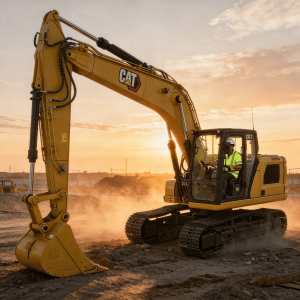
This local endorsement cannot be matched by advertisements alone. Yard signs are particularly effective for excavation, land clearing, grading, and construction projects because these activities are visible and often last longer. The more extended the project, the more exposure the sign gains.

The 5-Second Rule Explained

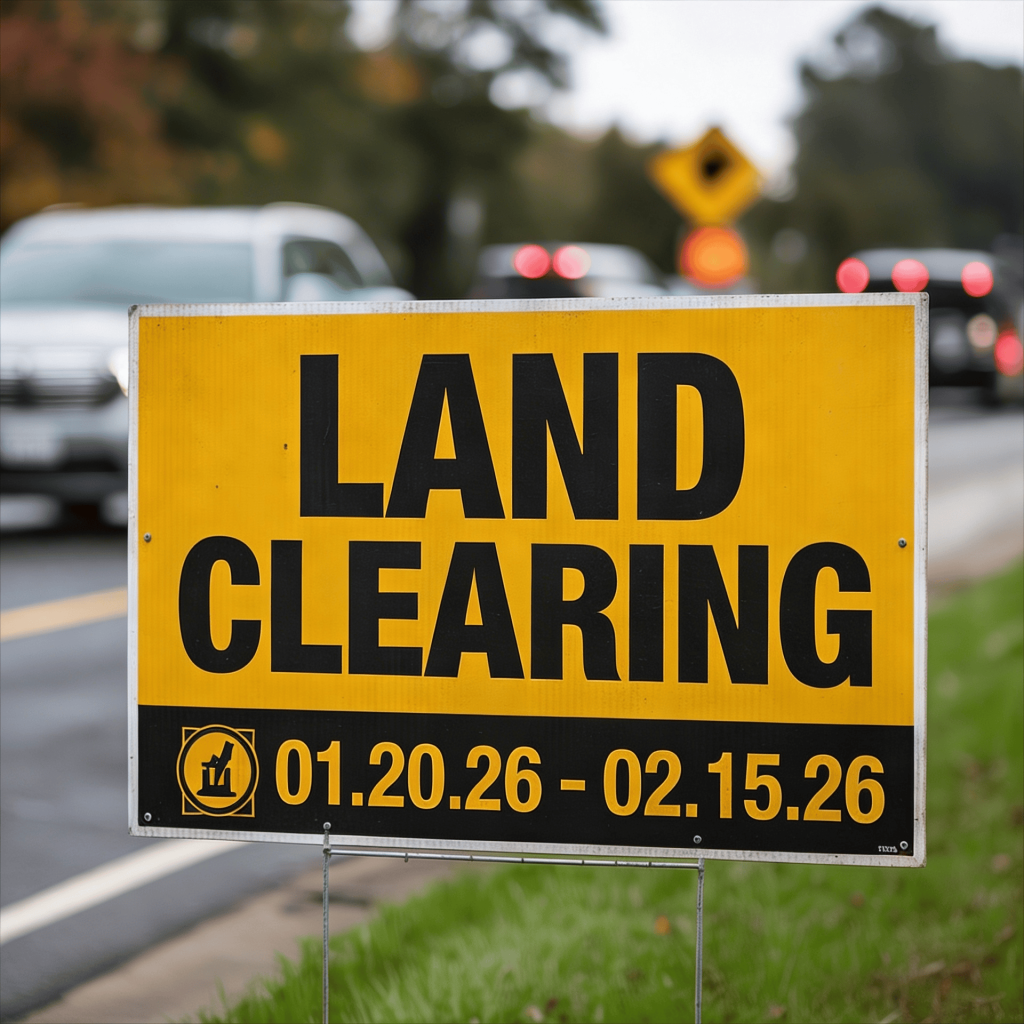
Drivers do not read yard signs; they quickly scan them.

At 25 to 40 miles per hour, the human brain processes only large, simple information. Anything complex is ignored.

In five seconds, a viewer should understand three things:

  • What you do
  • Who you are
  • How to contact you

If any of these are unclear, the sign fails. Design should prioritize clarity and speed over intricate details.

Why Most Yard Signs Fail Immediately

Most signs resemble flyers with excessive words, too many colors, and overly many services.

Common mistakes include:

  • Listing five or more services
  • Using small or decorative fonts
  • Low contrast color combinations
  • Logos that are too small
  • Phone numbers that blend into the background

These signs may look fine up close, but they disappear at distance. A yard sign is not meant to be read carefully. It is judged at speed, often in just a few seconds as someone drives past.

What a Yard Sign Must Communicate First

The most important element on a yard sign is not your logo. It is your service. If people cannot tell what you do instantly, they will not remember you later. Service clarity should come before branding, especially for contractors. That usually means choosing one core service instead of listing everything you offer. Clear beats complete every time.

Designing for Readability, Not Decoration

Yard sign design is about contrast and hierarchy.

The eye should land on the most important information first, then move naturally to the next.

Strong signs usually follow this order:

  1. Service
  2. Business name
  3. Phone number or website

Everything else is secondary or unnecessary.

Fonts should be bold and simple. Sans-serif fonts perform better at distance. Thin strokes disappear in sunlight and motion.

High contrast color combinations, such as dark text on light backgrounds or vice versa, improve readability dramatically.

effective yard sign design

Why Fewer Words Create More Calls

Contractors often worry about leaving out information, thinking that cutting back on words will bring in fewer leads.In reality, the opposite is true. Using more words can hinder understanding, leading to a loss of attention. 

A sign that simply states “Land Clearing” is more effective than one listing clearing, grading, mulching, and excavation all at once. When people remember a single clear message, they are more likely to recall it and seek out additional details later.

Placement Matters More Than Size

A well-designed sign might still be ineffective if it’s placed poorly, as placement ultimately determines whether it is seen.

The best placements are:

  • Near the road, not deep on the property
  • Facing oncoming traffic
  • At natural slow points like turns or stop signs
  • Clear of visual clutter

Obscured signs behind equipment, trees, or fencing are ineffective. Visibility is more important than size.

Eye Level vs Ground Level Placement

Many signs are installed too low, blending with grass, shadows, and roadside clutter. Elevating signs slightly enhances their visibility and contrast. Positioning signs at eye level allows drivers to read messages more quickly, but they should still look natural and not be intrusive. Achieving a balance is key.

Why Traffic Direction Changes Impact Design Requirements

A sign visible from both directions requires different spacing and alignment compared to one facing only a single lane. If traffic predominantly moves in one direction, the sign should be designed to be easily read from that angle. Text alignment and spacing should take into account the viewer’s approach. Ignoring traffic flow when designing the sign decreases its effectiveness.

The Role of Phone Numbers vs Websites

Phone numbers are most effective when they are concise and prominently displayed. If your number is lengthy or difficult to read, it might be better to use a website instead. Websites tend to be easier to remember than numbers, especially if they have a simple name. The main goal is to select one primary contact method. Having two methods can divide attention.

How Yard Signs Support Other Marketing

Yard signs rarely generate immediate calls. Instead, they serve to build awareness. Someone might see your sign today, recognize your truck next week, and search for your services a month later. This repeated exposure fosters familiarity. As familiarity increases, trust grows. Trust leads to higher conversion rates when they eventually contact you. Ultimately, yard signs enhance other marketing efforts rather than substituting them.

Why Consistency Across Signs Matters

Using varied designs in different jobs reduces brand recognition, whereas consistency boosts memory. Repeating the same colors, layout, and message helps your brand stay top of mind. Even simple signs gain strength through consistent repetition.

Common Placement Mistakes to Avoid

Avoid these errors.

  • Placing signs too far from the road
  • Letting signs face away from traffic
  • Blocking signs with equipment
  • Leaving damaged or faded signs up

A typical sign in poor condition conveys the wrong message. Proper maintenance is important.

Temporary Signs vs Long-Term Branding

Yard signs are temporary, but their influence grows over time. Each location where a sign is placed increases your exposure. As the signs accumulate, local residents start to link your name with ongoing work nearby. This helps establish a sense of scale and trustworthiness. Even a single sign at each project helps build momentum.

When Yard Signs Attract Better Clients

Clients who observe yard signs frequently appreciate professionalism and notice details. They tend to be less focused solely on price. Your sign serves as a filter, influencing their first impression before the initial call.

Measuring Effectiveness Without Analytics

You do not need tracking codes to know if yard signs are working. Simply ask callers how they heard about you. When they say, “I saw your sign,” that is your answer. Yard signs work quietly in the background, building recognition over time, and that quiet consistency is their strength.

Why Yard Signs Are Still Worth the Investment

Yard signs are inexpensive, require little upkeep, and serve your local area. They don’t rely on algorithms or budgets. They remain effective whether you’re busy or free. Consistency is key with them.

Final Thoughts

Yard signs for contractors don’t fail due to outdated ideas, but because they’re made for reading rather than scanning. The key is five-second readability. 

Use clear messaging, bold text, and strategic placement. When your sign can be understood instantly, it transitions from mere decoration to effective marketing. If someone can read it while driving by, it’s successful; if not, it’s not. Focus on quick comprehension. The calls will come.

Share the Post:

Related Posts

Join Our Newsletter

© 2026 ExcavatorNetworkUSA.com - All rights reserved