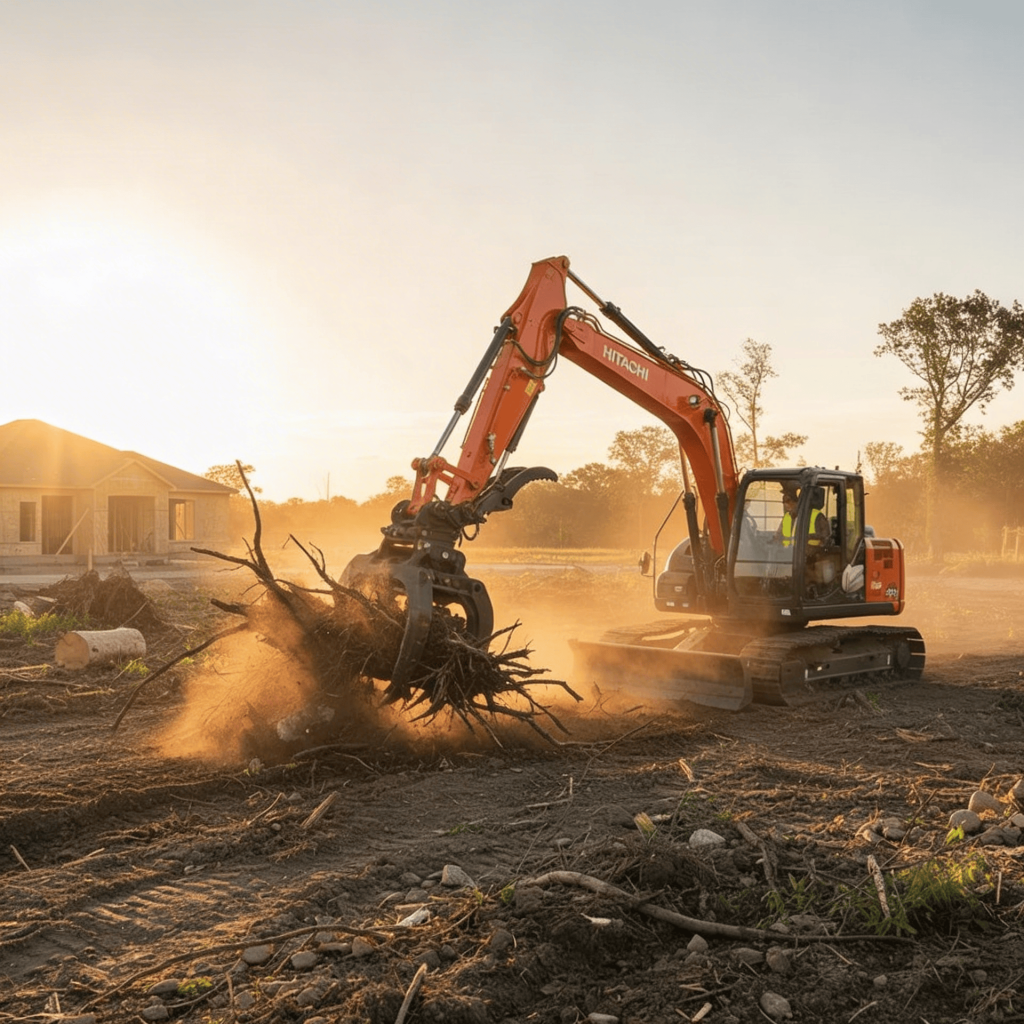


root raking land clearing service

Selling “Root Raking”: Educating on Quality

Root raking is frequently misunderstood. Many landowners view it as extra effort, consider it optional, or confuse it with basic debris removal. This misunderstanding makes it difficult to promote root raking.

This article explains how selling root raking services becomes easier when you educate clients on quality and explain the technical value behind the price.

Why Root Raking Gets Undervalued

Most customers focus on what they can see. Once the trees are gone and the brush is cleared, the land looks open, so the job feels finished to them. What they do not see are the roots, buried debris, and uneven ground left below the surface. Root raking addresses problems that appear later, not right away, which is exactly why education matters.

What Root Raking Actually Does

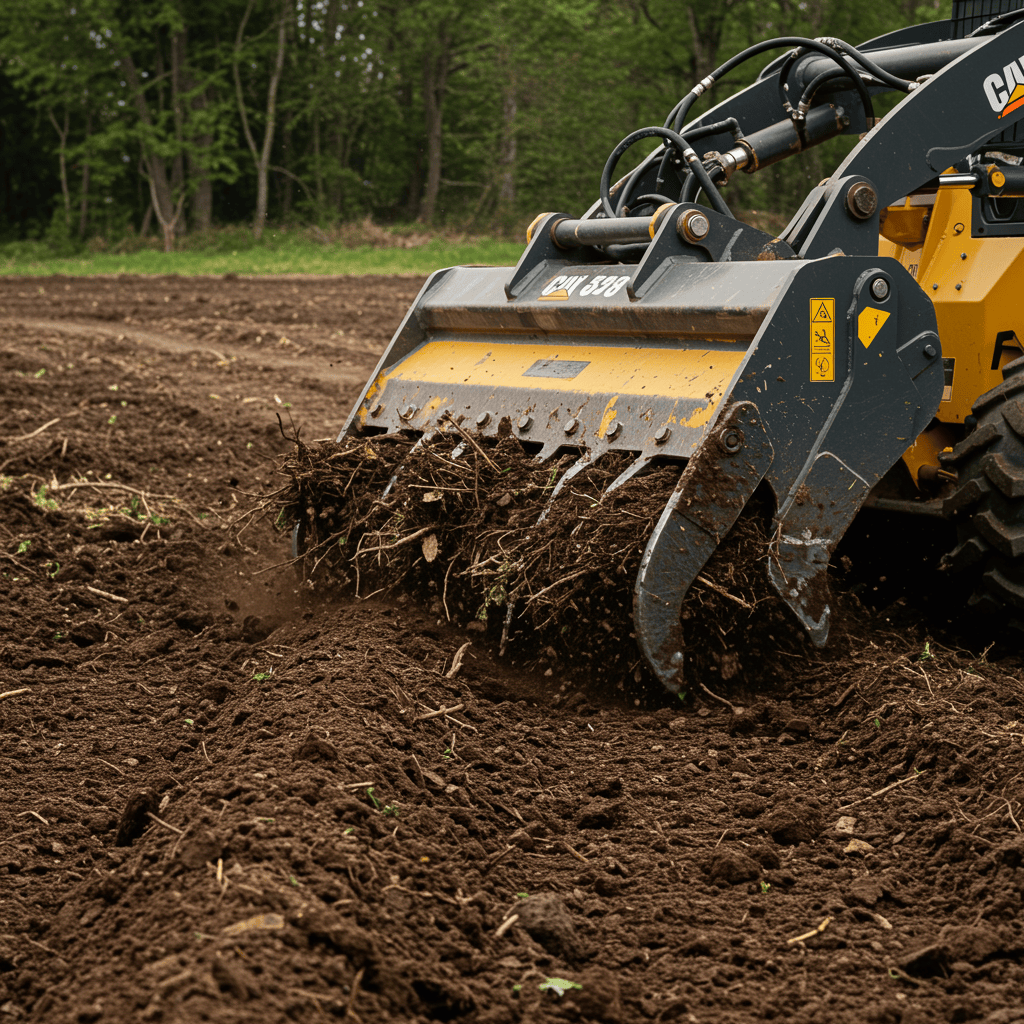
Root raking clears away buried roots, stumps, and debris just beneath the surface. It levels the land and gets it ready for the next stage.

This process:

  • Prevents future settling
  • Improves drainage
  • Reduces regrowth
  • Makes grading more accurate

This is not merely cosmetic; it serves a functional purpose.

Why Clearing Without Root Raking Causes Issues

Skipping root raking reduces initial costs, but it can lead to higher expenses later.

Hidden roots cause:

  • Uneven ground
  • Soft spots
  • Equipment damage
  • Poor compaction

These problems emerge following rain, grading, or construction activities. Once customers realize this, their resistance to price decreases.

Selling Root Raking Starts With Education

Selling root raking services isn’t about pushing sales. It’s about clarifying the consequences. Many landowners haven’t seen what occurs beneath the surface. Your role is to make the unseen visible. This begins with straightforward language.

Use Plain Explanations, Not Technical Jargon

Avoid complicated terms.

Explain it like this:

“Clearing removes what you see. Root raking removes what causes problems later.”

That sentence redefines what is valuable. Simple explanations are more effective than lengthy specifications.

excavator root raking work

Show Before and After Examples

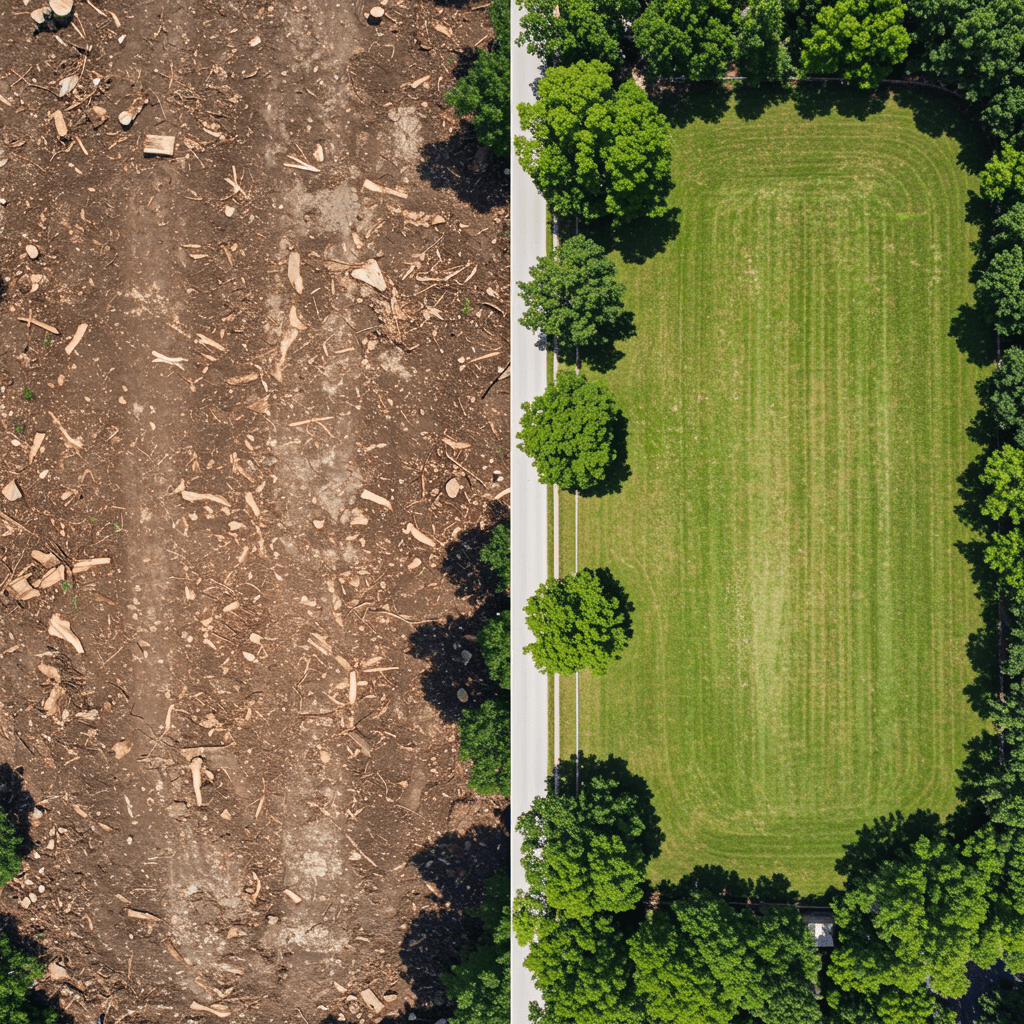
Photos are impactful, and an empty lot appears suitable at first glance. A raked lot seems complete. Whenever possible, display side-by-side photos.

Point out:

  • Cleaner surface
  • Fewer roots
  • Smoother grade

Visual proof shortens the conversation.

Explain the cost in a way that consumers can easily grasp.

Don’t just state a price; clarify what the cost covers.

Root raking helps prevent:

  • Doing the job over again
  • Getting drainage issues fixed
  • Having to pay for more machine time afterwards

Rephrase the price as prevention rather than a supplement

Tie Root Raking to the End Goal

Always connect root raking to what the customer wants.

Examples:

  • Building a home
  • Installing pasture
  • Cutting roads
  • Preparing pads

Explain how neglecting to prioritize can hinder those goals. When value aligns with purpose, the cost becomes understandable.

Use Simple Analogies That Click

Analogies help non-technical clients understand.

Examples:

“Clearing without raking is like mowing without pulling weeds.”

Or:

“It’s like painting over rust.”

Analogies create instant clarity.

Answer the “Do I Really Need It?” Question Early

Don’t wait for others to raise objections; instead, bring them up yourself.

Say something like:

“Some people skip root raking, but they usually call back later to fix problems.”

This sets expectations without pressure.

Break Down the Process Briefly

Customers trust clear processes.

Explain root raking in a few steps:

Rake roots and debris

Separate soil from waste

Level the surface

Keep it concise. Details enhance confidence.

How a root raking can be a sign of professionalism

The contractors who proposed root raking are not ordinary.

It signals:

Experience

Care for details

Planning

That trust supports pricing.

Handling Price Pushback the Right Way

If a customer pushes back, avoid arguing and instead restate the value.

Example:

“The cost difference now is smaller than fixing it later once the site settles.”

Remain calm. Education is more effective than using pressure.

Use Past Experience as Proof

Stories sell. Share genuine results to connect with your audience.

Example:

“We cleared a lot last year where raking was skipped. They had to regrade after the first rain.”

Stories feel authentic and help diminish uncertainty.

Root Raking Is Easier to Sell When It Is Standard

Whenever feasible, incorporate root raking in the recommended package, presenting it as the professional choice. Optional items can be easily omitted, while standard steps are considered essential.

How Education Improves Close Rates

When clients grasp the concept of root raking, their conversations shift. They tend to ask more insightful questions and prioritize results over price. This understanding builds trust in your expertise recommendations. That leads to smoother closes.

Common Mistakes to Avoid

Avoid these issues.

  • Calling it “extra” work
  • Skipping the explanation
  • Overusing technical terms
  • Rushing the conversation

Root raking needs context.

Final Thoughts

Selling root raking services is not about convincing clients or pushing an upgrade. It is about clarity. When people understand what root raking actually does and why it matters long term, the conversation shifts away from cost and toward quality. 

Quality justifies price when the unseen work is explained and the long-term value is clear. When education leads the conversation, root raking sells itself.

Share the Post:

Related Posts

Join Our Newsletter

© 2026 ExcavatorNetworkUSA.com - All rights reserved