AI Content Generation: 30 Days in 1 Hour
Social media succeeds through consistency, but many excavators avoid it because daily posting feels like another full-time job. They are busy operating equipment, managing crews,
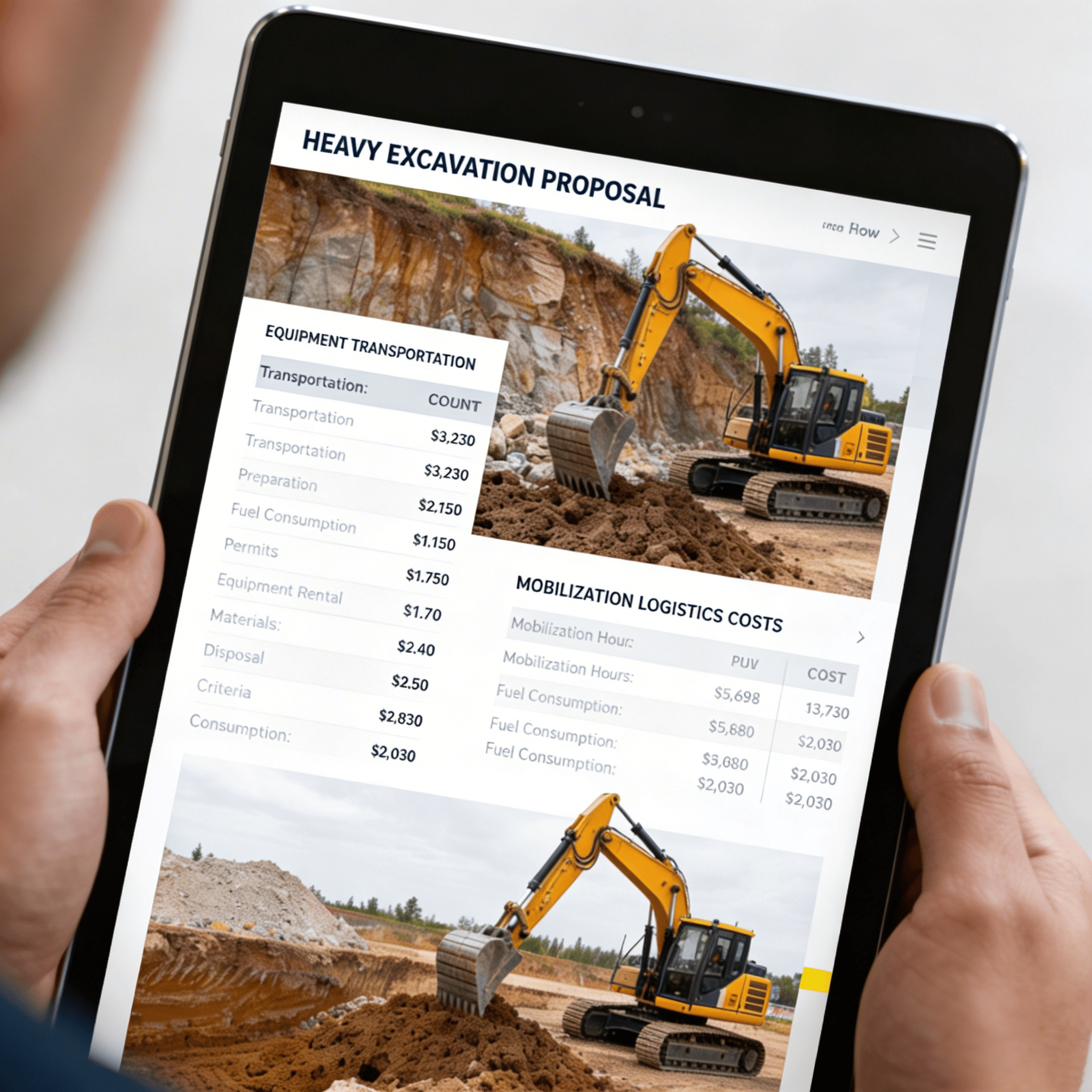
Mobilization fees often cause confusion in excavation pricing. Customers notice an unexpected line item and may assume it’s additional profit, creating tension before work begins. The reality is straightforward: transporting heavy equipment incurs genuine costs.
This article clarifies what excavation mobilization fees are, demonstrates how transparent communication helps build trust, and justifies the expenses of moving heavy machinery.
Why Mobilization Fees Cause Friction
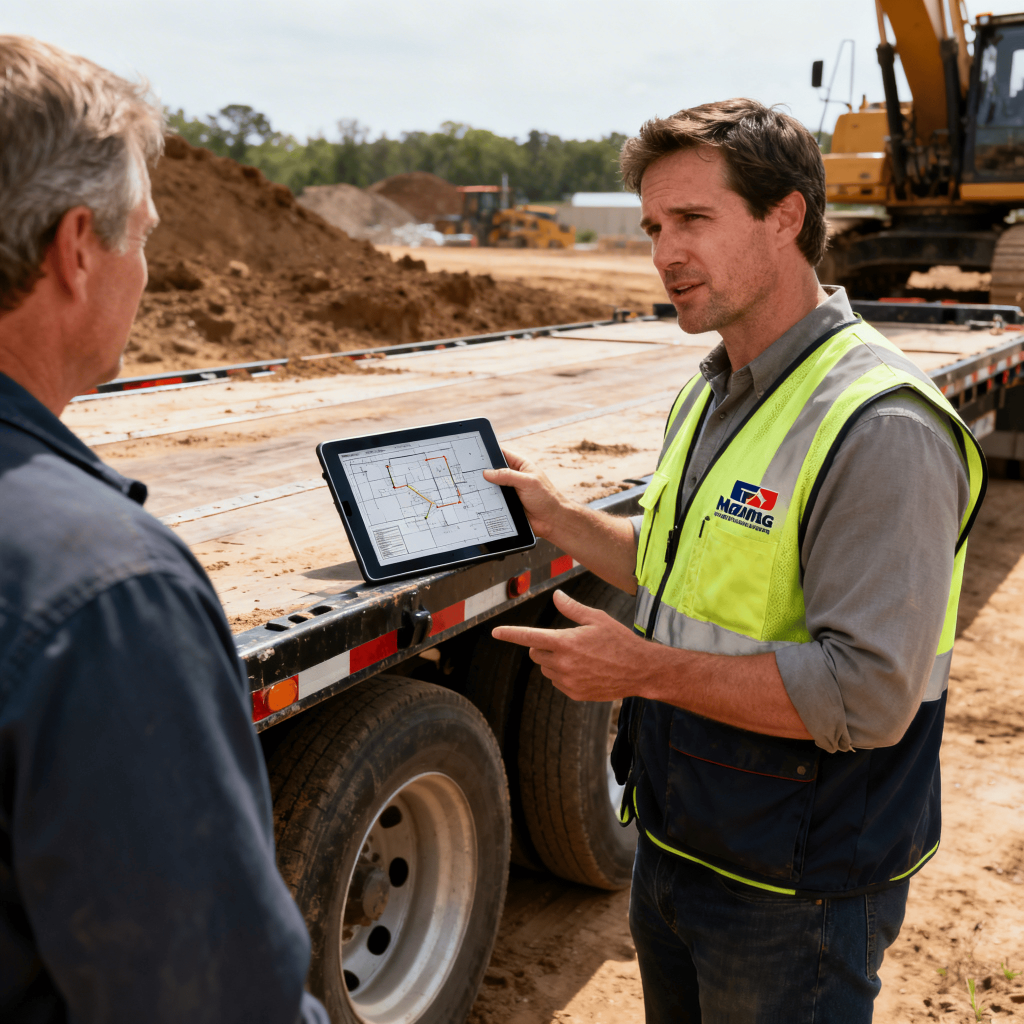
Most homeowners have never handled moving heavy machinery. They are familiar with service trucks but not lowboys. When they see a mobilization charge, they often think about fuel costs rather than logistics. Without a clear explanation, this fee can seem arbitrary, leading to confusion and doubt.
What Mobilization Actually Covers
Mobilization is not just driving to the site.
It includes:
Each step requires time, effort, and financial resources. That’s the purpose of mobilization.
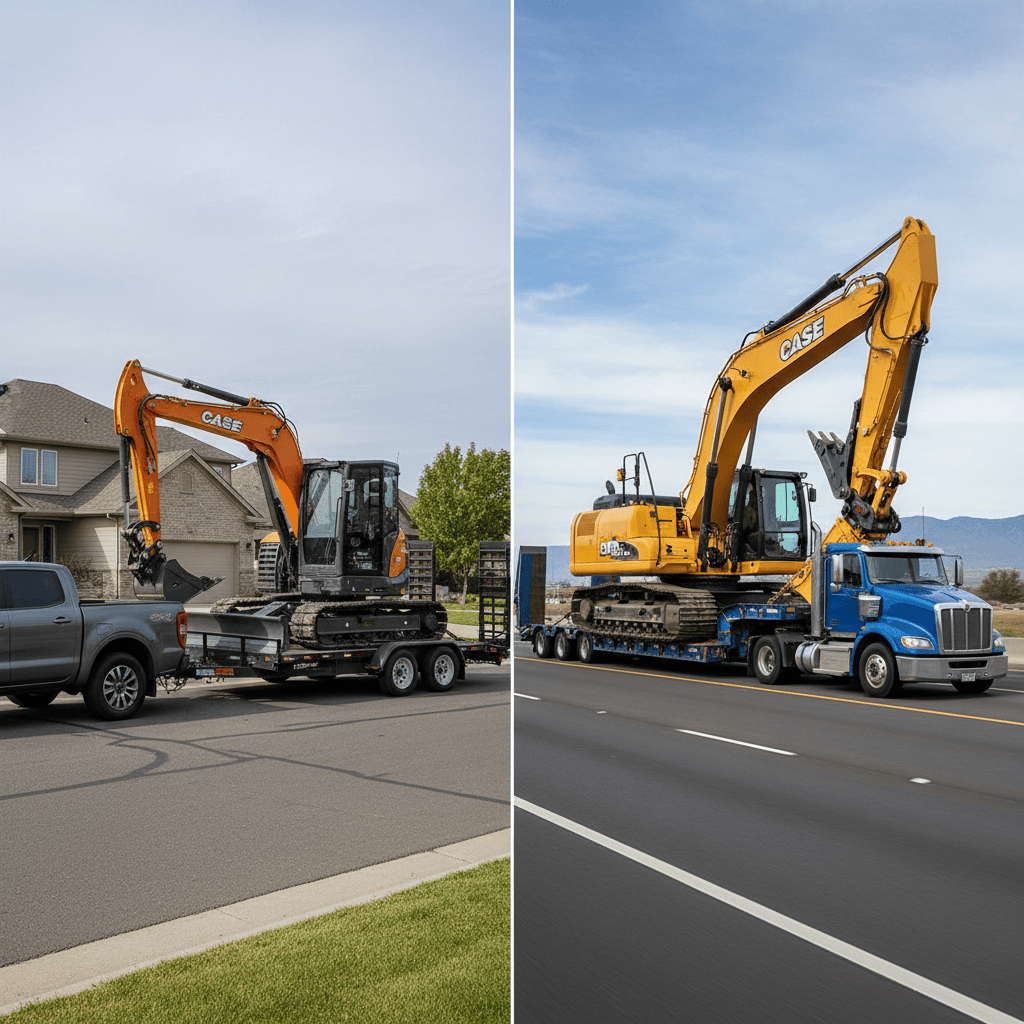
Heavy Iron Is Not a Pickup Truck
Excavators, dozers, and skid steers do not travel like cars.
They require:
Even brief distances require careful planning. Addressing this earlier can alter people’s perceptions.
Why Hiding Mobilization Fees Hurts Trust
This avoids addressing questions initially, but it leads to problems later. When clients discover the facts afterward, trust diminishes. Being transparent from the start prevents unexpected issues. Surprises undermine confidence.
Transparent pricing fosters honesty. When clients comprehend the reason behind a fee, their resistance decreases. While they might dislike the cost, they appreciate the clarification. This respect builds trust, which results in more seamless projects.
How to Explain Mobilization in Plain Language
Steer clear of technical language. Provide straightforward explanations.
For example:
“This covers getting the equipment to your property and back safely and legally.”
That statement addresses most concerns clearly. Clarity takes precedence over providing detailed information.
Clients worry about targets that keep moving. Clarify that mobilization depends on distance and equipment type. Once scheduled, it remains unchanged. Fixed fees are perceived as fair. Predictability helps lessen anxiety.
Tie Mobilization to Professionalism
Professional contractors carefully plan their logistics. They do not rely on guesswork. Mobilization demonstrates thorough preparation, indicating the job has been carefully considered. This, in turn, establishes you as a reliable professional.
Why Cheap Quotes Often Skip This Fee
Lower quotes often conceal actual mobilization efforts. They might involve using smaller equipment or taking shortcuts. Explain this calmly and objectively. Avoid criticism, simply describe the differences.
Use Visuals When Possible
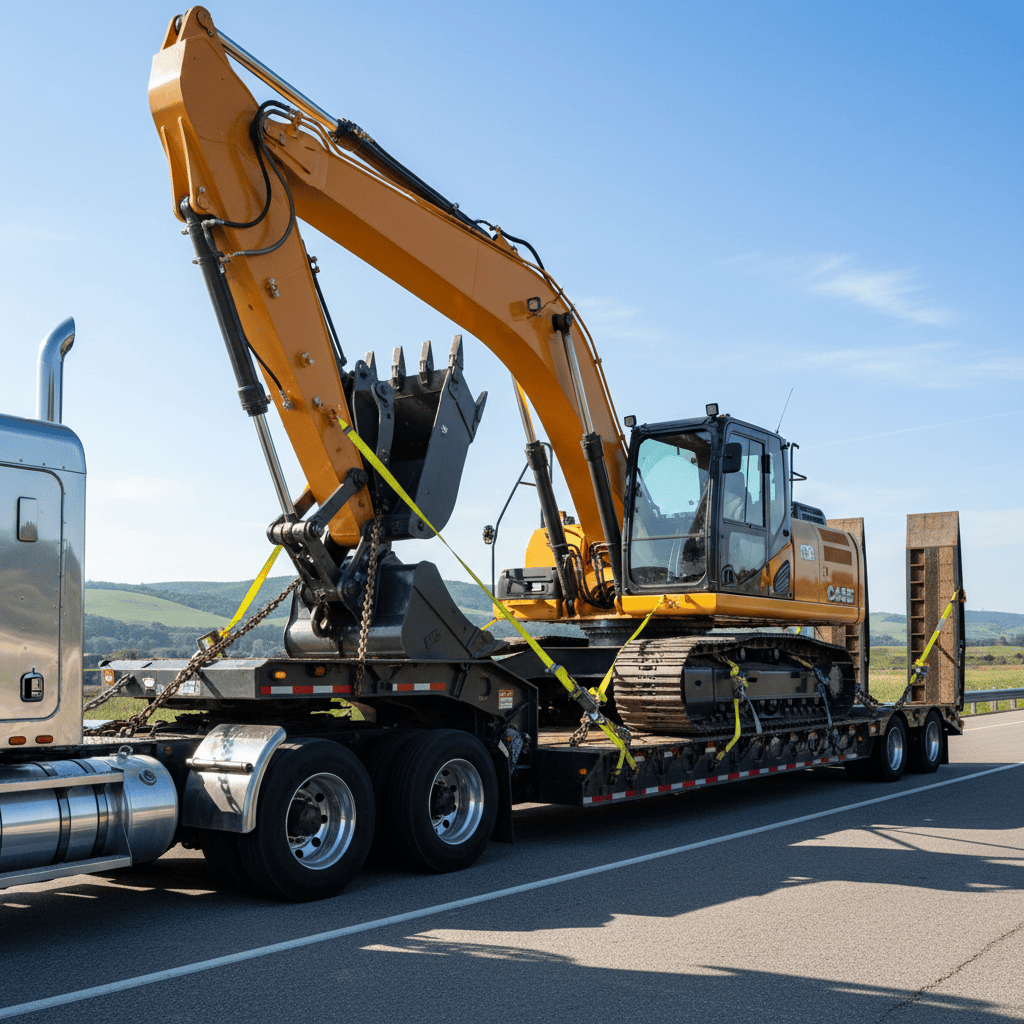
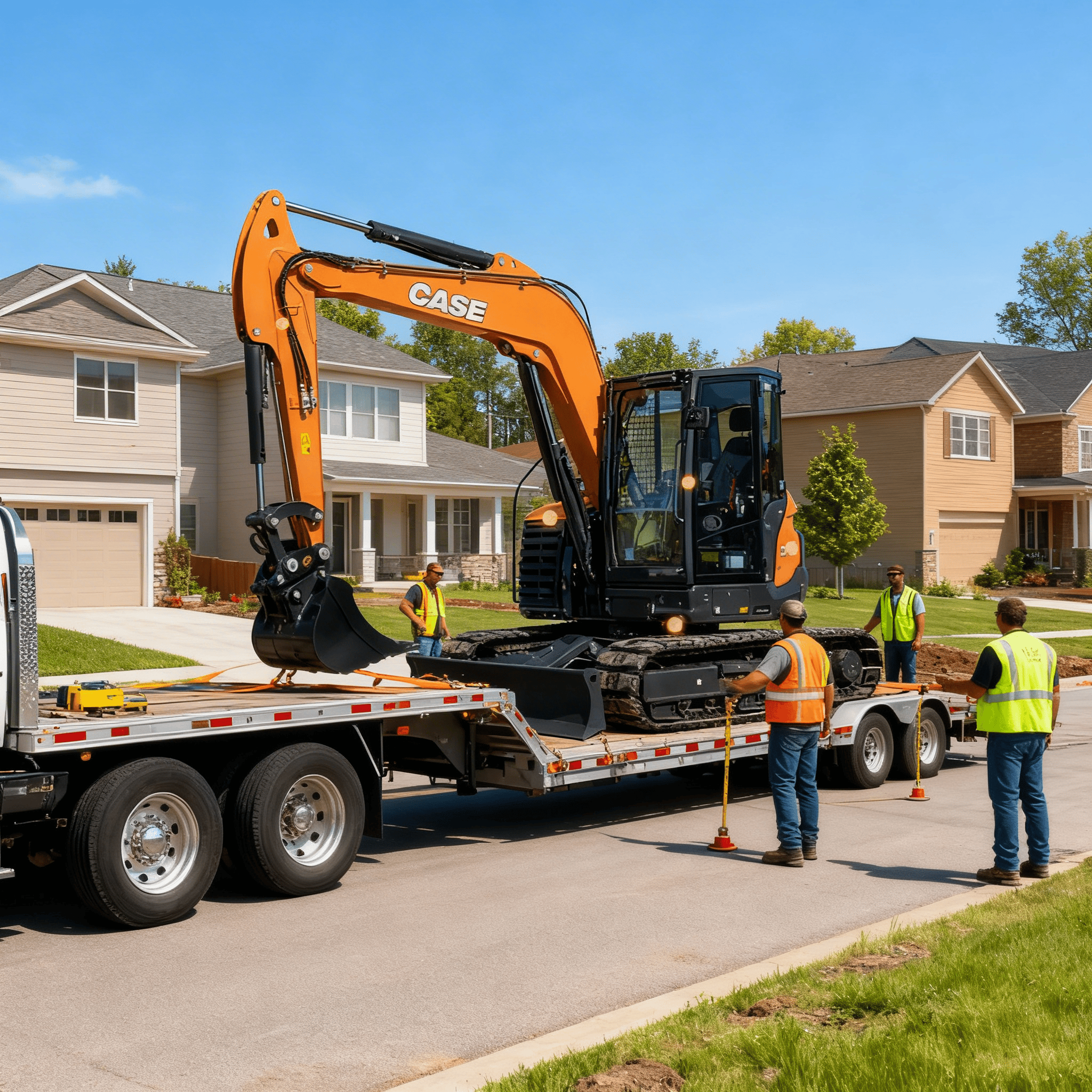
Photos help explain what words often cannot. A picture of heavy equipment loaded on a trailer instantly shows the scale and effort involved, making the cost easier to understand. Visual proof turns abstract fees into something real, which helps clients accept mobilization costs with less resistance.
When to Discuss Mobilization Fees
Don’t wait until the final figure to mention mobilization; bring it up early. Giving an explanation early helps avoid shock, while explaining late can cause friction.
How This Improves Close Rates
When clients grasp the fee structure, they no longer obsess over it. Instead, they concentrate on the work at hand. This shift accelerates decision-making. Transparent pricing leads to quicker closures.
How Mobilization Protects the Client
Proper transport prevents damage.
Safety first:
Safeguarding property and equipment is essential because safety holds intrinsic value.
Common Mistakes to Avoid
Avoid these issues.
Confidence comes from clarity.
Trust established early in the project tends to last throughout the project. Clearly defined fees help minimize disputes. Disputes consume time and damage reputation. Transparency acts as a safeguard against conflicts.
Excavation mobilization fees are mandatory because they represent actual costs. Clearly explaining them helps build trust rather than cause resistance. Transporting heavy equipment is complicated, and clients appreciate contractors who are honest about the process. Transparency isn’t a risk; it’s an advantage.

Most excavation companies understand where their leads originate. However, few know which leads actually generate revenue. When a call is received, a job is scheduled,

Mobilization fees often cause confusion in excavation pricing. Customers notice an unexpected line item and may assume it’s additional profit, creating tension before work begins.

Every contractor encounters it. “I received a lower quote.” For many, that statement ends the discussion. They either lower their price, defend their value, or

Many excavation jobs are lost before price is even considered. The issue isn’t always the quote itself, but how it’s presented. A brief text message

Root raking is frequently misunderstood. Many landowners view it as extra effort, consider it optional, or confuse it with basic debris removal. This misunderstanding makes

Most contractors view Facebook as just a billboard, posting ads with a phone number and hoping for calls. However, this approach seldom succeeds in local

TikTok isn’t just about trends and dances. It’s also a powerful platform for showcasing real work, especially heavy equipment. Excavators, for example, shift dirt quickly,

Your work may be clean, but your photos often aren’t. Dust, shadows, cluttered backgrounds, overcast skies, and inconsistent lighting can spoil an otherwise excellent “after”

Social media succeeds through consistency, but many excavators avoid it because daily posting feels like another full-time job. They are busy operating equipment, managing crews,